








When anxiety starts showing up regularly, it is normal to wonder what to take for anxiety. Some people look for a pill for anxiety, others prefer teas for anxiety or natural pills for anxiety. But the right approach depends on the type of anxiety, how intense the symptoms are, when they appear, and whether they affect sleep, work, or daily life.
Anxiety does not always need the same response. It can be occasional, reactive to a specific situation, stronger at night, linked to ongoing stress, or part of a condition that needs professional support. Before choosing a natural anxiety pill or any supplement, it is worth understanding what is happening and what role each option can realistically play.
What to take for anxiety depending on your symptoms
There is no single option that works for everyone. Anxiety can feel like constant worry, muscle tension, shortness of breath, palpitations, a knot in the stomach, irritability, mental blocks, or difficulty sleeping.
For mild or occasional symptoms, habits, calming teas, and natural supplements may support a more balanced routine. If symptoms are persistent, intense, or interfere with daily life, the safest step is to speak with a healthcare professional.
Pill for anxiety: medication vs. natural supplement
When someone searches for a pill for anxiety, they may mean very different things. Prescription anti-anxiety medication is not the same as a dietary supplement or a natural formula designed to support relaxation.
Should be prescribed by a healthcare professional. It may be necessary when anxiety is intense, persistent, or limits everyday life.
Usually contain botanicals, minerals, or nutrients that may support relaxation, sleep, or the stress response, without replacing medical treatment.
May fit when anxiety is linked to mental overload, accumulated tension, or difficulty switching off.
May make sense when there is insomnia from anxiety or difficulty falling asleep because the nervous system feels overactive.
The key is not to self-medicate. If anxiety causes frequent crises, a sense of losing control, panic attacks, avoidance, difficulty working, or persistent negative thoughts, professional support is important.
Teas for anxiety: when they may help
Teas for anxiety can be useful as part of a wind-down ritual, especially at night or during moments of mild tension. They are not a medical treatment, but they can help create a calm routine.
Can fit as a calming drink within an evening routine, although evidence for clinical anxiety is still limited.
Traditionally used to support relaxation and may be included in a sleep-focused routine.
May help create a more relaxing sensory environment, especially when paired with consistent sleep habits.
Often used in relaxation formulas, although it should be reviewed if you take medication or have a medical condition.
The tea itself is only one part of the picture. Lowering the lights, stepping away from screens, breathing more slowly, eating a lighter dinner, and creating a clear signal of rest can be just as important.
Nighttime anxiety and insomnia from anxiety
Nighttime anxiety often appears when the day finally slows down. It can feel like repetitive thoughts, anticipatory worry, body tension, or difficulty sleeping even when you feel tired.
Insomnia from anxiety can create a difficult loop: the worse you sleep, the more vulnerable you feel to stress; and the more anxious you feel, the harder it becomes to sleep.
The mind reviews problems, pending tasks, or future situations right when the body is trying to rest.
A clenched jaw, tight neck, shallow breathing, or feeling on alert can make it harder to fall asleep.
Some people wake up during the night with worry, palpitations, or difficulty going back to sleep.
Worrying about not getting enough rest can become another anxiety trigger.
When the main issue is switching off at night, it may help to review your sleep routine, caffeine intake, daytime stress, and nutrients linked to nervous system calm.

How to reduce anxiety with a complete strategy
Searching for how to reduce anxiety should not be limited to taking something. The most useful approach usually combines several layers: habits, sleep, breathing, movement, nutrition, stress management, and professional support when needed.
Supplements can help support the process, but they cannot make up for chronic overload, poor sleep, too much caffeine, or long-term stress without recovery.
Reactive anxiety: what to do when anxiety has a clear trigger
Reactive anxiety usually appears in response to an identifiable situation: an exam, an argument, an important decision, work pressure, a life change, or a period of uncertainty. It does not always mean there is an anxiety disorder, but it can still feel very uncomfortable.
Naming the situation that activates anxiety helps separate a temporary reaction from a pattern that keeps repeating.
Slow breathing, a gentle walk, stretching, or short pauses can help reduce the body’s stress response.
When anxiety is high, it is better not to make important decisions from the peak of activation.
If reactive anxiety lasts several days, sleep becomes a priority for recovering mental clarity.
If reactive anxiety becomes frequent, more intense, or starts shaping your decisions, working with a professional can be very helpful.
Habits to review before taking any supplement
Before choosing a natural anxiety pill, it is worth reviewing the basics that can keep the nervous system in a state of alert.
Reducing coffee, energy drinks, or stimulants in the afternoon may help if nighttime anxiety or insomnia is present.
Walking, strength training, or moderate exercise can help release tension and support mood regulation.
Going to bed at regular times, dimming lights, and limiting screens can help prepare the body for rest.
Slow breathing and longer exhalations can help reduce physiological activation during anxious moments.
Skipping meals, relying on sugar, or eating very heavy dinners can worsen nervousness in some people.
Writing down worries, organizing tasks, and reducing multitasking can lower the feeling of being overwhelmed.
Once these habits are in place, supplements may make more sense as targeted support rather than a stand-alone solution.
Natural pills for anxiety: products that may fit
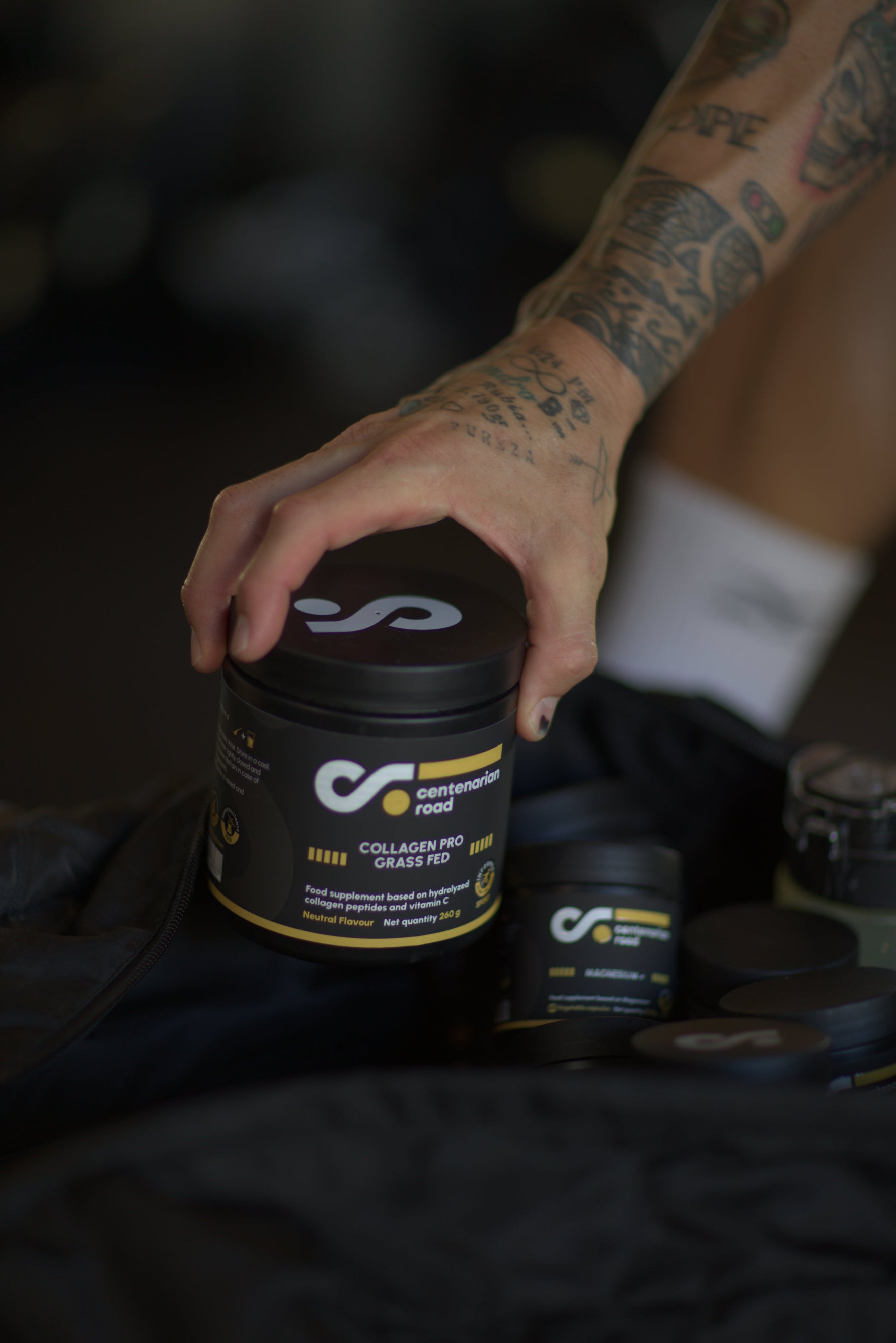
Within a well-designed strategy, some Centenarian Road products may fit when anxiety is linked to stress, mental overload, difficulty switching off, nighttime restlessness, or accumulated tension.
The key is not to take everything, but to choose based on the goal: daytime stress support, relaxation, nervous system balance, sleep quality, or nighttime recovery.
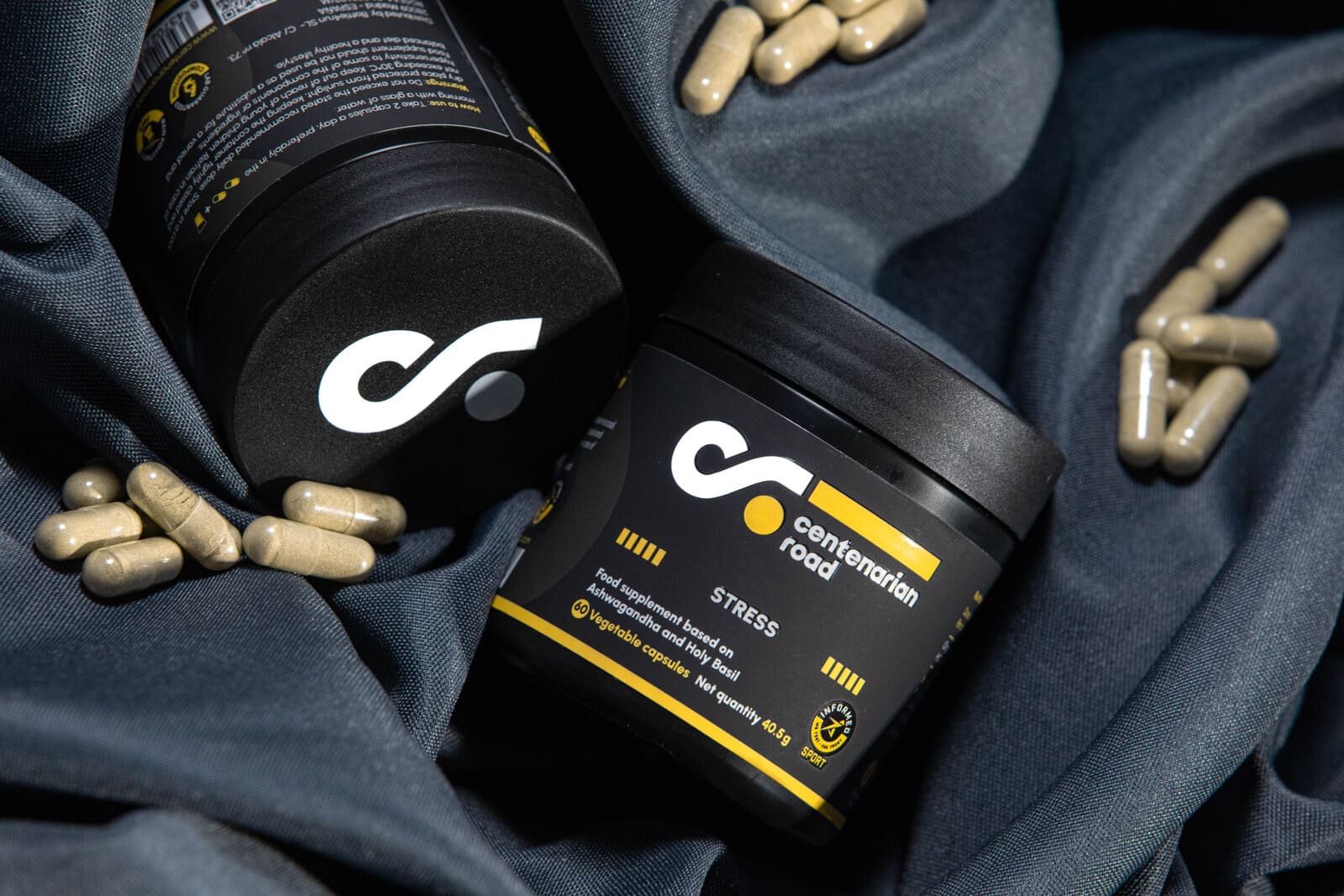
May fit when anxiety is related to sustained stress, mental pressure, or difficulty maintaining emotional balance during demanding periods. It combines Ashwagandha KSM-66® and Holy Basil in capsule form.
View product
May make sense when the goal is to support normal nervous system function, muscle relaxation, reduced tiredness, and a steadier evening routine.
View product
May fit when nighttime anxiety, difficulty winding down, or poor sleep quality are part of the problem. Glycine can be used as part of a broader routine focused on rest, recovery, and nervous system calm.
View product
Stress may fit better when daytime stress, mental overload, or reactive anxiety are the main issues. Magnesium+ may be more interesting when there is muscle tension, fatigue, difficulty relaxing, or nighttime anxiety. Glycine Boost may be useful when the priority is winding down, sleep quality, and mental recovery at night.
If you are pregnant, breastfeeding, taking medication, have thyroid, liver, or kidney disease, have a diagnosed anxiety disorder, or experience intense symptoms, speak with a healthcare professional before using any supplement.

Frequently asked questions about what to take for anxiety
What can I take for anxiety naturally?
For mild or occasional anxiety, breathing techniques, exercise, better sleep, calming teas, and supplements such as ashwagandha, magnesium, or glycine may help as part of a complete strategy. If anxiety is intense or persistent, professional support is the safest option.
Is there a natural pill for anxiety?
There are natural anxiety pills made with adaptogenic plants, minerals, or nutrients related to nervous system function. They are not medications and do not replace medical treatment, but they may support relaxation or the stress response in specific cases.
Which teas for anxiety may help?
Chamomile, lemon balm, lavender, or passionflower can be part of a relaxing routine. Their effect depends heavily on the context: timing, breathing, light, screen use, dinner, and sleep habits. They should not be treated as a solution for clinical anxiety.
What should I take for nighttime anxiety?
When anxiety appears at night, review caffeine, screens, bedtime schedule, dinner, accumulated stress, and your sleep routine first. Magnesium may support nervous system and muscle function, glycine may help with winding down and sleep quality, and ashwagandha may fit if sustained stress is the main issue.
Can supplements help with insomnia from anxiety?
Supplements can support rest, but insomnia from anxiety usually needs a broader strategy: sleep hygiene, fewer stimulants, stress management, relaxation habits, and professional guidance if it persists.
What is reactive anxiety?
Reactive anxiety is a practical way to describe anxiety that appears in response to a specific situation, such as work pressure, conflict, an exam, or a period of uncertainty. If it becomes frequent or limits daily life, it is worth discussing it with a professional.
Scientific references
Anxiety Disorders — National Institute of Mental Health, NIH
Official source on symptoms, types, and management of anxiety disorders, useful for distinguishing occasional anxiety from situations that require professional assessment.
Original URL: https://www.nimh.nih.gov/health/topics/anxiety-disorders
Get Help With Anxiety, Fear or Panic — NHS
Clinical resource on anxiety, fear, and panic symptoms, including general guidance on when anxiety affects daily life and support may be needed.
Original URL: https://www.nhs.uk/mental-health/feelings-symptoms-behaviours/feelings-and-symptoms/anxiety-fear-panic/
Ashwagandha: Is it helpful for stress, anxiety, or sleep? — NIH Office of Dietary Supplements, 2025
Official review on ashwagandha, stress, anxiety, and sleep. It summarizes clinical trials and notes that ashwagandha extracts may help reduce stress and anxiety, while long-term safety still requires more research.
Original URL: https://ods.od.nih.gov/factsheets/Ashwagandha-HealthProfessional/
Anxiety and Complementary Health Approaches — NCCIH
Official source on complementary approaches for anxiety. It summarizes available evidence on chamomile, relaxation, meditation, and other strategies, noting that some findings are still preliminary.
Original URL: https://www.nccih.nih.gov/health/anxiety-and-complementary-health-approaches
Scientific Opinion on the substantiation of health claims related to magnesium — EFSA, 2010
EFSA scientific opinion on authorized claims related to magnesium, including its contribution to normal nervous system function, normal psychological function, and the reduction of tiredness and fatigue.
Original URL: https://efsa.onlinelibrary.wiley.com/doi/10.2903/j.efsa.2010.1807
Does Ashwagandha supplementation have a beneficial effect on the management of anxiety and stress? — Akhgarjand et al., 2022
Systematic review and meta-analysis of randomized controlled trials on ashwagandha, stress, and anxiety, useful for contextualizing its role as natural support.
Original URL: https://pubmed.ncbi.nlm.nih.gov/36017529/
The Sleep-Promoting and Hypothermic Effects of Glycine are Mediated by NMDA Receptors in the Suprachiasmatic Nucleus — Kawai et al., 2015
Scientific study on glycine and sleep-related mechanisms, useful for understanding why glycine is often discussed in relation to nighttime rest and sleep quality.
Original URL: https://pubmed.ncbi.nlm.nih.gov/25533534/