









Cortisol is an essential hormone. Your body uses it to respond to stress, manage energy and support several key internal functions. The issue begins when stress lasts too long and cortisol remains elevated more often than it should.
If you are searching for how to reduce cortisol, the goal is not to remove cortisol completely. Your body needs it. The real objective is to help your system return to a healthier daily rhythm. According to NCBI Bookshelf / StatPearls, cortisol follows a circadian pattern: it rises around waking time and gradually decreases throughout the day, reaching lower levels at night.
Why Cortisol Levels Can Rise
Cortisol increases as part of the body’s normal stress response. It may rise due to poor sleep, work overload, under-recovered training, constant worry, poor nutrition, illness, pain, corticosteroid use or prolonged emotional pressure.
As explained by NCBI Bookshelf / StatPearls, cortisol production is controlled by the hypothalamic-pituitary-adrenal axis. When this system becomes disrupted, the body may experience issues related to either too much or too little cortisol.
How to Reduce Cortisol Quickly
If you want to know how to reduce cortisol quickly, start by calming the nervous system. Slow breathing, gentle walking, turning off screens, drinking water, getting natural light or taking a real 10-minute break can help lower the stress response in the moment.
This is not a magic fix, but it can help interrupt an acute stress peak. The aim is to send your body a clear message: you are no longer in immediate danger.
How to Lower Cortisol Naturally
To understand how to lower cortisol naturally, focus on the basics first: better sleep, balanced training, enough protein, less caffeine late in the day, morning sunlight and daily moments of real disconnection.
Cortisol also plays a role in metabolism, immune response, blood pressure and how the body uses glucose and protein, as described by NCBI Bookshelf / StatPearls. That is why cortisol balance should be approached through lifestyle habits, not only through supplements.

How to Lower Cortisol Levels Caused by Stress
When daily stress is the main trigger, the key is reducing the total load on your body. Relaxing once is not enough. You need a routine that repeatedly lowers the signals of alert and pressure.
Lack of sleep, excessive training, poor nutrition and living in constant urgency can keep the body stuck in defence mode.
Improve Your Sleep
Good sleep is one of the most important foundations for cortisol balance. Try to keep regular sleep hours, reduce screen exposure before bed and avoid caffeine in the afternoon or evening.
If cortisol is elevated because of stress, nighttime recovery should become a priority.
Manage Your Training Load
Exercise is helpful, but too much intensity without enough recovery can become another stressor. If you feel unusually tired, irritable, restless at night or weaker in training, it may be time to reduce intensity for a few days.
When the goal is how to reduce cortisol from stress, training should help you release tension, not add more pressure to your system.
Watch Nutrition and Caffeine
Skipping meals, eating too little or relying heavily on stimulants can increase the feeling of being on edge. Prioritise complete meals, hydration and avoid caffeine too late in the day.
According to NCBI Bookshelf / StatPearls, cortisol is involved in glucose availability and energy metabolism. This is one reason irregular eating patterns may affect how your energy feels throughout the day.
When High Cortisol Should Be Taken Seriously
Feeling stressed for a few days does not automatically mean you have a hormonal problem. However, if you experience persistent fatigue, disrupted sleep, intense anxiety, muscle weakness, abdominal fat gain, high blood pressure or noticeable weight changes, it is best to speak with a healthcare professional.
Healthy habits can help a lot, but if there is a real suspicion of hormonal imbalance, medical evaluation is the right step.
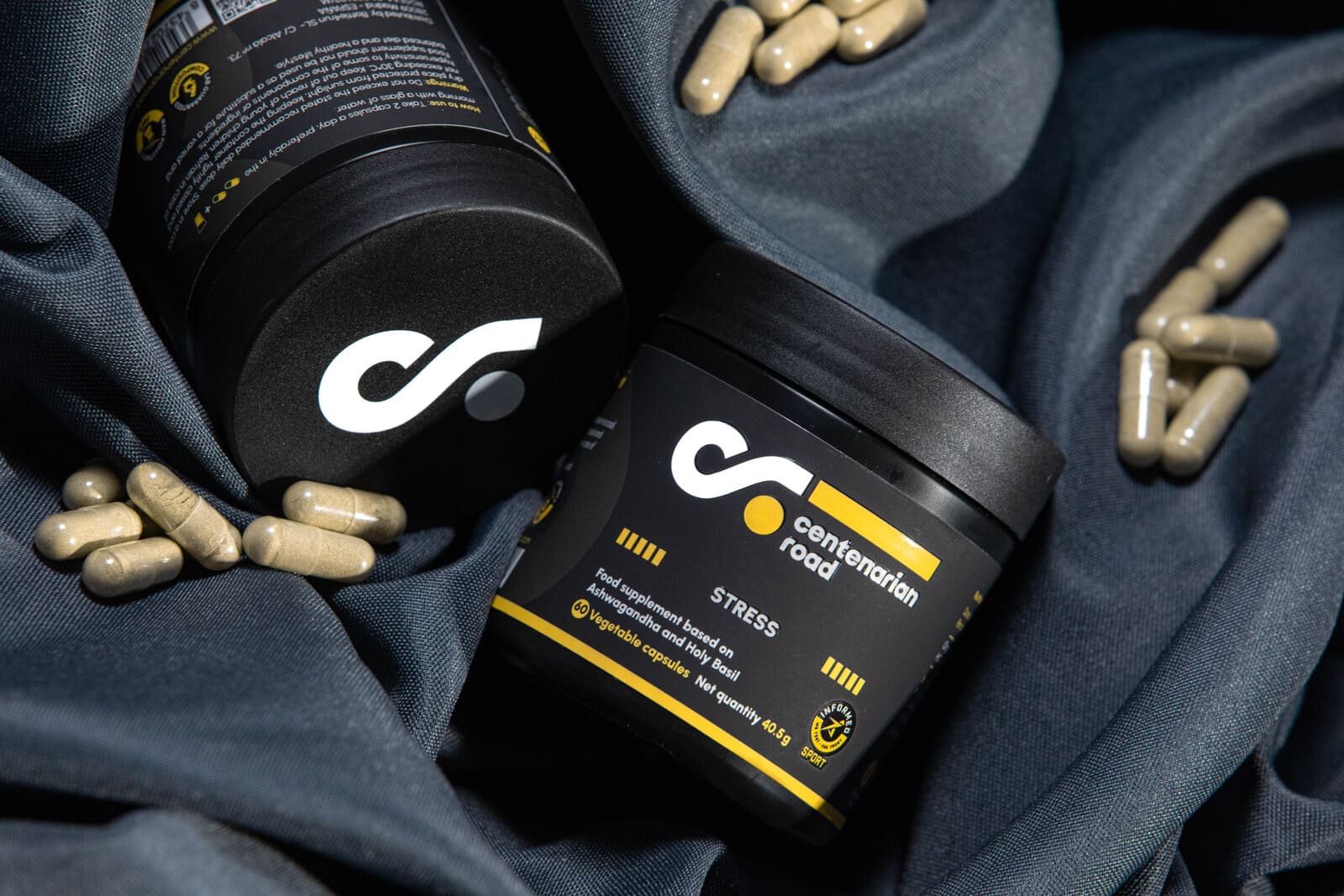
If you want nutritional support for your daily stress routine, Stress by Centenarian Road can fit into a broader strategy that includes sleep, food quality, movement and nervous system regulation habits.

Frequently Asked Questions About How to Reduce Cortisol
What Should I Take to Lower Cortisol?
There is no single drink or supplement that lowers cortisol instantly for everyone. Reducing caffeine, staying hydrated, choosing caffeine-free herbal drinks and using nutritional support when appropriate may help. Still, the main priorities are better sleep, stress management and consistent daily habits.
What Is Good to Take for Stress?
For stress, simple options such as water, caffeine-free relaxing infusions or supplements designed to support calm and rest may be useful. However, the most important step is to address the cause of stress, improve sleep and avoid depending only on what you take.
How Can I Lower Cortisol Naturally?
To lower cortisol naturally, focus on regular sleep, moderate exercise, slow breathing, natural light exposure, enough food, less caffeine later in the day and real breaks during your routine. Consistency usually works better than searching for a quick fix.
What Causes High Cortisol?
High cortisol may be linked to chronic stress, lack of sleep, illness, pain, overtraining, poor recovery, corticosteroid use or hormonal disorders. If symptoms are strong or persistent, it is important to consult a healthcare professional.
How Can I Reduce Cortisol Quickly?
To reduce cortisol quickly during a stressful moment, try slow breathing, walking, drinking water, getting natural light, turning off screens and taking a 10-minute pause. This will not solve the root cause, but it can help reduce acute activation.