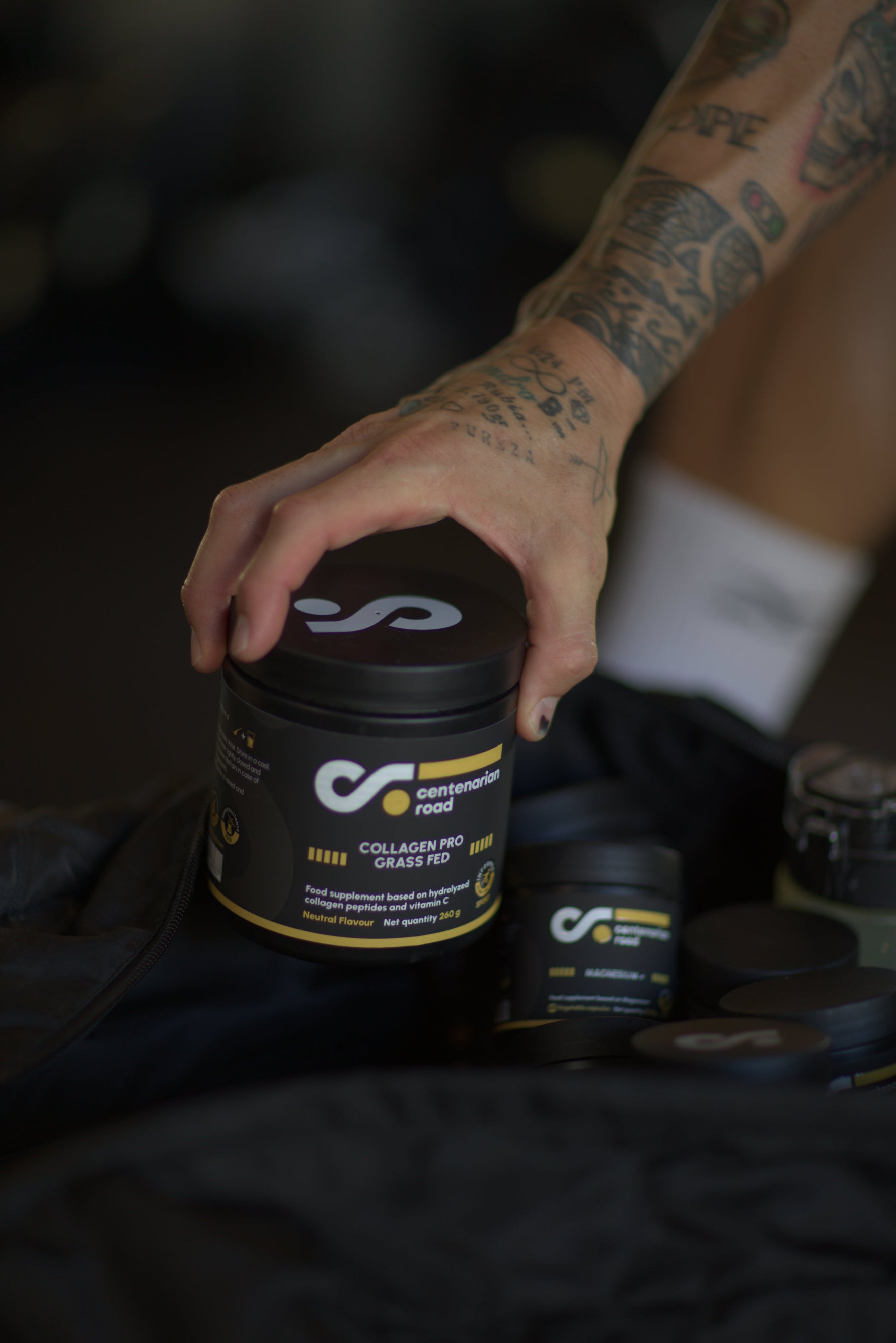








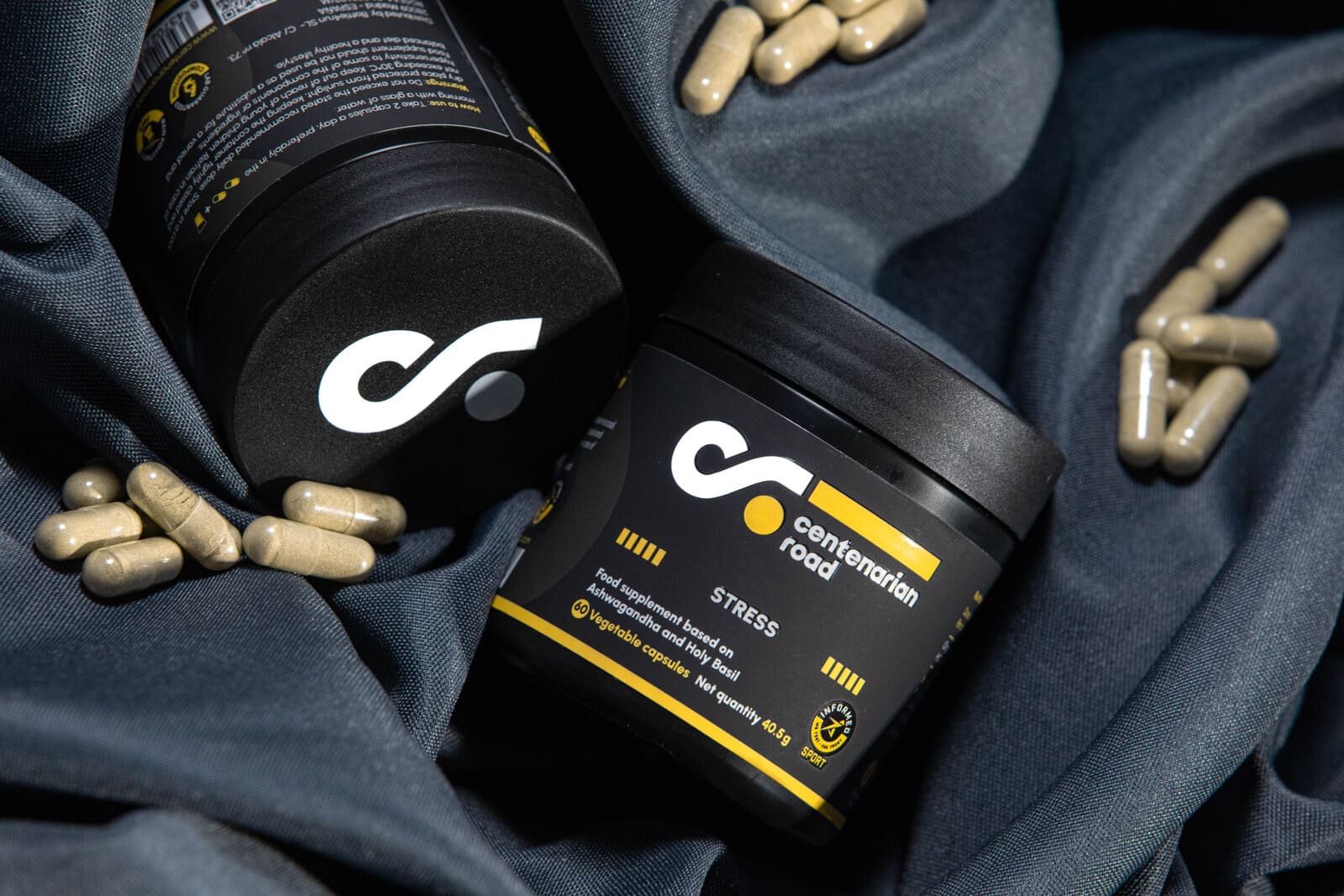


Supplements for high-performance athletes should not be chosen based on trends, quick promises, or generic recommendations. In environments involving intense training, competition, and anti-doping controls, supplementation should respond to a real need: performance, recovery, strength, muscle mass, sleep, joint health, or nutritional support.
The difference between a regular supplement and a high-performance supplement is not only the ingredient itself. Dosage, scientific evidence, individual tolerance, traceability, safety, and certification also matter. For an athlete, every supplement should be useful, safe, and aligned with their sports plan.
What are supplements for high-performance athletes?
A sports supplement does not replace nutrition, training, or rest. Its role is to complement a strategy that is already well built. In high-performance sport, this means that every product should have a clear purpose and fit into an individualized nutrition plan.
Before choosing a supplement, the athlete should understand what they want to improve, what need they are trying to cover, and where they are in the season. Preparing for a strength phase is not the same as competing every week, managing a high-volume training block, or recovering from a demanding period.
Dietary supplements and the high-performance athlete
When talking about dietary supplements and the high-performance athlete, it is important to understand that both the demands and the risks are higher. A product may be useful, but it may also be unnecessary, poorly dosed, or not suitable for the competitive moment.
Some supplements may support repeated efforts, strength, power, or tolerance to high training loads when used correctly.
Protein, amino acids, creatine, omega-3, glycine, or magnesium may fit depending on the type of training and total daily intake.
Total protein intake, meal distribution, and strength training stimulus are key factors before adding any supplement.
Collagen, vitamin C, omega-3, or joint-support formulas may be part of a broader structural care strategy.
Sleep directly influences recovery, training adaptation, and the ability to sustain high workloads over time.
For tested athletes, certification and traceability are just as important as the ingredient’s effectiveness.
In this context, supplementation should always begin with a complete nutritional assessment. The goal is not to take more products, but to use the right ones, at the right dose, and at the right time.
Natural high-performance supplements: when do they make sense?
The search for natural high-performance supplements is often linked to clean-label formulas, recognizable ingredients, and transparent compositions. However, “natural” does not automatically mean better, safer, or more effective.
What matters is that the supplement has evidence behind it, a coherent dose, and quality controls. For high-performance athletes, traceability and anti-doping certification are also essential to reduce the risk of contamination with prohibited substances.
May be useful in strength and power sports, repeated high-intensity efforts, and demanding training phases.
May help cover protein needs when regular food intake does not provide enough protein throughout the day.
May fit specific training contexts, especially when the goal is to provide essential amino acids around the session.
May complement EPA and DHA intake when oily fish consumption is low.
May support muscle function, the nervous system, and electrolyte balance within a demanding routine.
May be part of strategies focused on joints, tendons, and connective tissue support.
For strength, power, and short bursts of high-intensity performance, creatine monohydrate is one of the most researched supplements in sports nutrition.
When the goal is to maintain or build muscle mass, total daily protein intake matters more than taking a shake in isolation. Whey protein can be useful when it helps the athlete reach their daily protein target.
During heavy training blocks, recovery phases, or demanding sessions, amino acids may make sense as part of a broader nutritional strategy, especially when the diet does not fully cover the athlete’s needs.

How to choose a high-performance supplement without unnecessary risk
Choosing a high-performance supplement requires more precision than choosing a general dietary supplement. For professional athletes, semi-professional athletes, or competitors subject to testing, safety is not a detail: it is part of the decision.
The International Olympic Committee recommends assessing the need, evidence, safety, and contamination risk before using supplements in high-performance sport. That is why a popular ingredient is not enough; it must make sense within the athlete’s plan.
Why certification matters in professional sport
One of the main risks in sports supplementation is unintentional contamination with prohibited substances. Choosing products tested by recognized programs can help reduce this risk and provide greater confidence for the athlete, nutritionist, and technical team.
Centenarian Road communicates a triple certification approach focused on safety, traceability, and transparency: Informed Sport, Lab Guaranteed Composition, and Main Pollutants Free.
An anti-doping certification that tests batches for substances prohibited in sport. It is especially relevant for athletes subject to testing.
External laboratory verification designed to confirm that what appears on the label matches the actual content of the product.
Testing focused on confirming the absence of major contaminants through external analysis, reinforcing product safety.
This triple certification is especially important when the goal is to buy supplements for high-performance athletes with greater confidence. At this level, choosing well affects not only performance, but also safety, trust, and the athlete’s career.
Analyze need, dose, and timing
Before buying a supplement, the athlete should know what problem they are trying to solve. Improving protein intake, supporting recovery, preparing a strength phase, taking care of joints, or improving rest are not the same goal.
There should be a clear reason: a deficiency, a sports goal, high training load, or difficulty meeting needs through diet.
The dose should make sense according to the evidence, body weight, diet, and sports context.
Some supplements fit better before, during, or after training; others work through daily consistency.
Supplementation may change during pre-season, competition, recovery, or high-volume blocks.
Test in training, not on competition day
No supplement should be introduced for the first time on competition day. Even when a supplement has evidence behind it, every athlete can respond differently depending on digestive tolerance, habits, diet, microbiota, genetics, or type of effort.
The best approach is to test any supplement during training sessions or competition simulations. This helps assess tolerance, sensations, digestion, timing, and compatibility with other products.
Avoid competition-day discomfort by testing the dose and timing beforehand.
Not every athlete responds the same way to the same ingredient or protocol.
Review combinations with caffeine, gels, sports drinks, medication, or other supplements.
Avoid unclear blends and exaggerated claims
In high-performance sport, unclear formulas can become a risk. Products with proprietary blends, hidden doses, or extreme claims make nutritional control more difficult and increase uncertainty.
The label should clearly show the amount of each active ingredient.
A supplement cannot compensate for poor planning, lack of sleep, or insufficient nutrition.
In professional sport, anti-doping certification and external testing are key purchase criteria.
A sports nutritionist, strength coach, or sports physician can adjust the strategy according to workload, goals, and schedule.
Buying supplements for high-performance athletes
If you are looking to buy supplements for high-performance athletes, the criterion should not be choosing the product with the longest ingredient list, but the one that best fits the sports goal, the diet, and the required level of safety.
At Centenarian Road, the approach combines evidence, traceability, and certification. This allows athletes to integrate specific products into a broader strategy for performance, recovery, and sports longevity.
Centenarian Road supplements for high performance
Within a well-designed sports plan, these products may fit depending on the athlete’s goal, while always considering diet, training, rest, and professional supervision when needed.
May fit goals related to strength, power, repeated high-intensity efforts, and muscle mass maintenance.
View product
May help cover daily protein intake, especially during high-load phases, strength blocks, recovery, or muscle maintenance goals.
View product
May provide essential amino acids around training, especially during demanding sessions or specific recovery strategies.
View product
May complement EPA and DHA intake when the diet provides little oily fish, as part of a health and performance routine.
View product
May fit routines focused on muscle function, the nervous system, rest, recovery, and electrolyte balance.
View product
May be part of joint care, connective tissue, tendon, and mobility strategies in athletes exposed to high mechanical load.
View product
May be useful in strategies focused on rest, physical and mental recovery, and sleep quality during demanding periods.
View product
The key is not to use every supplement, but to choose the right ones for each goal. A high-performance athlete needs precision: the right product, the right dose, the right timing, and verified safety.
If you compete, are subject to anti-doping controls, take medication, or follow a specific sports plan, review any supplement with your sports nutritionist, physician, or technical team before adding it to your routine.

Scientific evidence
IOC Consensus Statement: Dietary Supplements and the High-Performance Athlete — Maughan et al., 2018
A consensus statement from the International Olympic Committee on supplement use in high-performance athletes. It highlights the importance of assessing need, evidence, safety, individual response, and contamination risk before using supplements.
Original URL: https://bjsm.bmj.com/content/52/7/439
Informed Sport — Sports Supplements Certification
Informed Sport is a certification program for sports supplements that tests batches for substances prohibited in sport, with the aim of providing greater safety for athletes and professionals.
Original URL: https://sport.wetestyoutrust.com/
Banned Substance Tested Supplement List — Informed Sport
Official list of products tested for prohibited substances, where Centenarian Road certified products appear under the Informed Sport program.
Original URL: https://sport.wetestyoutrust.com/node/144
Certifications Informed Sport — Centenarian Road
Centenarian Road’s page explaining its approach to safety, trust, science, and certification in sports supplements.
Original URL: https://centenarianroad.com/en/pages/certifications-informed-sport
International Society of Sports Nutrition Position Stand: Protein and Exercise — Jäger et al., 2017
Scientific position stand on protein and exercise, including protein intake considerations for active individuals and athletes.
Original URL: https://pubmed.ncbi.nlm.nih.gov/28642676/
International Society of Sports Nutrition Position Stand: Creatine Supplementation — Kreider et al., 2017
Review of the safety and effectiveness of creatine in exercise, sport, and health, especially relevant for strength, power, and high-intensity performance.
Original URL: https://pubmed.ncbi.nlm.nih.gov/28615996/