









Chronic stress, mental overload and difficulty switching off have become defining challenges for active adults and high-performing individuals. In this context, questions like is magnesium good for anxiety are no longer fringe concerns — they are backed by a growing body of evidence. But the answer depends heavily on which form of magnesium you take and whether it actually reaches the tissues that matter.
This article breaks down the properties of magnesium bisglycinate, what it is used for, and why it stands out among the options available for nervous system support.
Is magnesium good for anxiety? What the evidence says
Magnesium is involved in over 300 enzymatic reactions in the body, including processes directly linked to nervous system function. It contributes to normal psychological function, normal functioning of the nervous system and the reduction of tiredness and fatigue — all effects recognised by the EFSA with approved health claims.
When magnesium intake is insufficient — which affects an estimated 35–50% of the population in Western countries, partly because food processing removes up to 80% of this mineral — the nervous system can become compromised. The downstream effects often include reduced stress tolerance, mood fluctuations and disrupted sleep.
So is magnesium good for anxiety? The evidence points to yes — but only when the form taken is bioavailable enough to make a meaningful difference.
Which magnesium is best for sleep and anxiety?
Not all magnesium supplements are created equal. Forms such as magnesium oxide have poor absorption rates and frequently cause digestive discomfort. Magnesium bisglycinate — a chelated form in which magnesium is bound to the amino acid glycine — is consistently ranked as one of the most effective options due to its superior intestinal absorption, gastric tolerance and systemic stability.
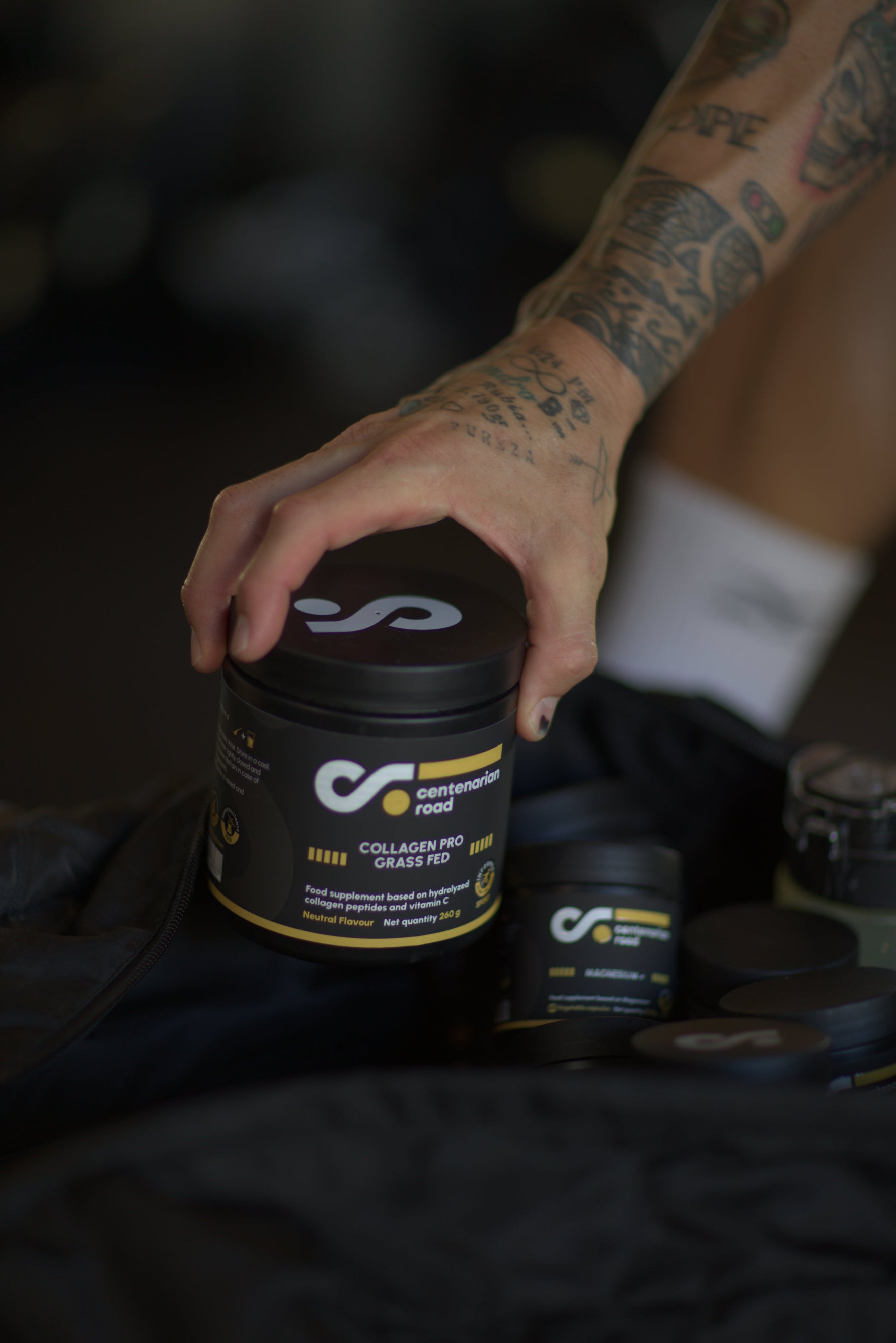
Which magnesium is best for sleep and anxiety? The evidence increasingly points to bisglycinate, and in particular combinations that also address neurological function. The Magnesium + from Centenarian Road pairs magnesium bisglycinate ALBION® (916 mg per dose, delivering 165 mg elemental magnesium) with magnesium acetyl taurate ATA® (660 mg, delivering 45 mg elemental magnesium) — a form specifically designed to cross the blood-brain barrier and support neurological balance and mental calm. Total elemental magnesium per dose: 200 mg.
Does magnesium bisglycinate help with sleep?
One of the most widely studied applications of this form is magnesium bisglycinate for sleep. The glycine component acts as an inhibitory neurotransmitter, supporting nervous system calm and promoting a more natural transition into rest. Research suggests it can help reduce the time needed to fall asleep and improve subjective sleep quality, particularly in people whose sleep is disrupted by stress or physical tension.
Best time to take magnesium for anxiety and sleep
The best time to take magnesium for anxiety and sleep support is in the evening, with a meal, approximately 30 to 60 minutes before bed. This timing aligns the supplementation with the body's natural shift toward rest, allowing magnesium and glycine to support neuromuscular relaxation when it is most needed.
For general nervous system support and fatigue reduction throughout the day, some people prefer splitting the dose between morning and evening. The Magnesium + protocol recommends 2 capsules daily with food, which can be adjusted to preference.
What makes magnesium bisglycinate different from other forms
The best magnesium for anxiety is not simply the one with the highest dose — it is the one your body can actually absorb and use. Magnesium bisglycinate's chelated structure protects it from competing with other minerals for absorption and reduces the gastrointestinal side effects common with forms like citrate or oxide.
The Magnesium + from Centenarian Road uses ALBION® bisglycinate, a patented chelation system that ensures stronger, more stable bonds in the bloodstream — meaning effective results at lower doses. Combined with ATA® acetyl taurate for neurological reach, it covers both the muscular and cognitive dimensions of magnesium support.
The product also holds triple independent certification: Informed Sport® (tested against over 250 prohibited substances), Lab Guaranteed Composition (external verification of every ingredient and dose) and Main Pollutants Free (absence of heavy metals and key contaminants). Capsules are gastro-resistant, ensuring the compounds reach the intestinal tract where absorption is most efficient.
Magnesium bisglycinate for anxiety and mood: what to keep in mind
Magnesium contributes to normal psychological function — an EFSA-recognised claim that covers its role in supporting everyday mood balance and mental wellbeing. For those dealing with stress-related tension, fatigue or disrupted sleep, consistent magnesium bisglycinate supplementation can form a meaningful part of a broader wellness strategy.
That said, magnesium is a food supplement, not a medical treatment. In cases of clinical anxiety or depression, professional guidance remains essential.

Frequently asked questions about magnesium bisglycinate
Is magnesium bisglycinate the best magnesium for anxiety?
It is one of the most consistently recommended forms. Its chelated structure delivers superior absorption compared to oxide or citrate, and the glycine component adds nervous system support beyond what elemental magnesium alone provides. For comprehensive coverage — including neurological calm — pairing it with magnesium acetyl taurate, as in Magnesium + from Centenarian Road, extends its reach to the central nervous system.
What is the best time to take magnesium for anxiety?
The best time to take magnesium for anxiety is in the evening, with food, around 30 to 60 minutes before bed. This maximises its calming effect on the nervous system during the transition into rest. For daytime stress support, a morning dose can complement evening intake.
Does magnesium bisglycinate help with sleep?
Yes. Magnesium bisglycinate for sleep is one of its most studied and recognised uses. The glycine in its structure acts on inhibitory neurotransmitters, promoting relaxation and a more natural onset of sleep. Most people begin to notice improvements in sleep quality within one to three weeks of consistent daily use.
Where to buy magnesium bisglycinate with quality guarantees?
When choosing a magnesium bisglycinate supplement, look for a product that specifies the exact form used, the elemental magnesium per dose and holds independent third-party certification. Magnesium + from Centenarian Road meets all three criteria, with publicly available certificates for every batch.
→ Buy Magnesium + from Centenarian Road