










A woman’s nutritional needs can change depending on age, the menstrual cycle, pregnancy, breastfeeding, physical activity, sun exposure, diet, and hormonal stage. That is why many women wonder which supplements for women may actually make sense.
The answer should not be a generic list. A dietary supplement only makes sense when it responds to a specific need. A balanced diet should remain the foundation, but nutrients such as iron, folic acid, vitamin D, omega-3, magnesium, collagen, or protein may be relevant depending on the individual case.
Which supplements for women can make sense?
There is no single ideal supplement for every woman. What matters is context: age, diet, blood markers, lifestyle, goals, and specific stages such as pregnancy, breastfeeding, perimenopause, or menopause.
A well-chosen supplement can help cover a nutritional need. A poorly chosen supplement can duplicate nutrients, provide unnecessary doses, or create a false sense of security.
Depending on life stage
A woman’s needs are not the same at every stage of life. Before choosing a supplement, it is useful to think about the life stage rather than choosing based only on gender.
Iron, vitamin B12, vitamin D, and magnesium may be relevant, especially in cases of heavy menstrual bleeding or restrictive diets.
Folic acid, iodine, vitamin D, and omega-3 DHA may be important before conception and during the first weeks of pregnancy.
Folate, iron, iodine, vitamin D, choline, and omega-3 may require an individualized review with a healthcare professional.
Vitamin D, calcium, protein, magnesium, and omega-3 may become more relevant for bone health, muscle maintenance, and metabolic wellbeing.
Protein, vitamin D, calcium, omega-3, and B12 may help assess muscle mass, bone health, energy, and immune function.
For women trying to conceive or already pregnant, folic acid, iron, iodine, vitamin D, and omega-3 DHA may play an important role, but always within an individualized strategy.
For women with low sun exposure or concerns about bone health, vitamin D may be a nutrient worth reviewing, especially if blood levels are low.
Depending on the goal: energy, bones, skin, hair, or performance
Many searches around supplements for women are not really looking for a generic product, but for support with a specific goal: more energy, better sleep, skin and hair care, bone health, physical performance, or hormonal wellbeing.
Before taking a supplement, it is worth reviewing sleep, iron, vitamin B12, vitamin D, and overall diet quality.
Vitamin D, calcium, magnesium, protein, and omega-3 may be relevant if the diet is insufficient or sun exposure is low.
Hydrolyzed collagen, vitamin C, zinc, biotin, or hyaluronic acid may appear in formulas designed for structural support.
Magnesium, glycine, or specific sleep formulas may make sense depending on habits, tension, stress, and sleep quality.
Creatine, whey protein, omega-3, amino acids, or collagen may fit depending on training, diet, and goals.
For skin, hair, and nails, ingredients such as hydrolyzed collagen, vitamin C, zinc, biotin, or hyaluronic acid may be included in specific formulas. However, hair loss or brittle nails can have many causes: stress, nutritional deficiencies, hormonal changes, or thyroid-related factors.
Magnesium may fit women who want to support muscle function, the nervous system, or rest, especially when there is stress, tension, or a demanding routine. Still, it should be understood as support, not as an isolated solution.
For active women or athletes, creatine may make sense for strength, performance, or muscle maintenance goals, always within a well-structured diet.

How to choose supplements for women safely
Choosing supplements for women requires the same criteria as any dietary supplement: a clear goal, appropriate dosage, transparent composition, and safety.
Some stages require extra caution. During pregnancy, breastfeeding, thyroid conditions, chronic medication use, diagnosed anemia, or menopause with hormone therapy, it is advisable to consult a healthcare professional first.
Why you should not choose supplements based only on marketing
Just because a product says “for women” does not mean it is suitable for every woman.
Some women’s multivitamins may include more iron or folic acid, while formulas for older women may prioritize calcium, vitamin D, or B12. The issue appears when a product is chosen because of vague claims such as “hormonal balance,” “female energy,” or “beauty from within,” without checking ingredients, doses, or evidence.
The label should clearly show which nutrient or compound the product actually provides.
The daily amount should be clear, coherent, and easy to identify.
Some forms may be better absorbed or better tolerated than others.
The supplement should respond to a specific need, not a generic promise.
Avoid repeating iron, vitamin D, zinc, magnesium, or folic acid across several products.
Especially important during pregnancy, breastfeeding, medication use, or existing medical conditions.
If you cannot clearly answer what the supplement provides, at what dose, and why you need it, it is probably not the best choice.
Review your diet, blood markers, and possible deficiencies
Before choosing a supplement, it is worth reviewing diet, habits, and possible nutritional gaps.
Supports muscle maintenance, recovery, and tissue health.
Provide fiber, antioxidants, vitamins, and essential minerals.
Can influence vitamin D levels.
May require special attention to B12, iron, omega-3, iodine, or protein.
Can increase the risk of low iron or ferritin levels.
May be related to sleep, stress, iron, B12, vitamin D, or other factors.
May be related to stress, hormones, thyroid function, or nutritional deficiencies.
Blood tests can help assess iron, ferritin, vitamin D, vitamin B12, thyroid function, or other markers depending on the case.
This helps avoid unnecessary supplementation and makes it easier to choose well.
Avoid duplicates and unclear formulas
Many women combine several products: a multivitamin, collagen, magnesium, omega-3, vitamin D, probiotics, or a sleep supplement.
The risk is duplicating nutrients without realizing it.
May be repeated in multivitamins, bone health formulas, and specific supplements. Check the total daily amount.
May appear in women’s multivitamins, prenatal formulas, or energy formulas. It should not be taken without reviewing levels.
May be repeated in products for sleep, stress, muscles, or women’s health. Avoid combining several formulas without checking the dose.
Common in skin, hair, nails, immune, or multivitamin formulas. It can be duplicated easily.
Present in prenatal, multivitamin, and women’s formulas. Especially important to review when trying to conceive.
Common in formulas for stress, energy, sleep, or hormonal balance. Ask for guidance if taking medication, pregnant, or breastfeeding.
Avoid products with unclear proprietary blends, hidden doses, or exaggerated claims. In women’s supplementation, more ingredients do not always mean a better formula.
Which products may fit your needs?
Supplements for women should be chosen by goal, not just by label. A female athlete, a woman with low sun exposure, a woman in menopause, and a woman trying to conceive may have very different needs.
The safest approach is to start with the basics: nutrition, sleep, movement, blood tests when needed, and high-quality products only when they have a clear purpose.
Supplements with a clear purpose within a women’s routine
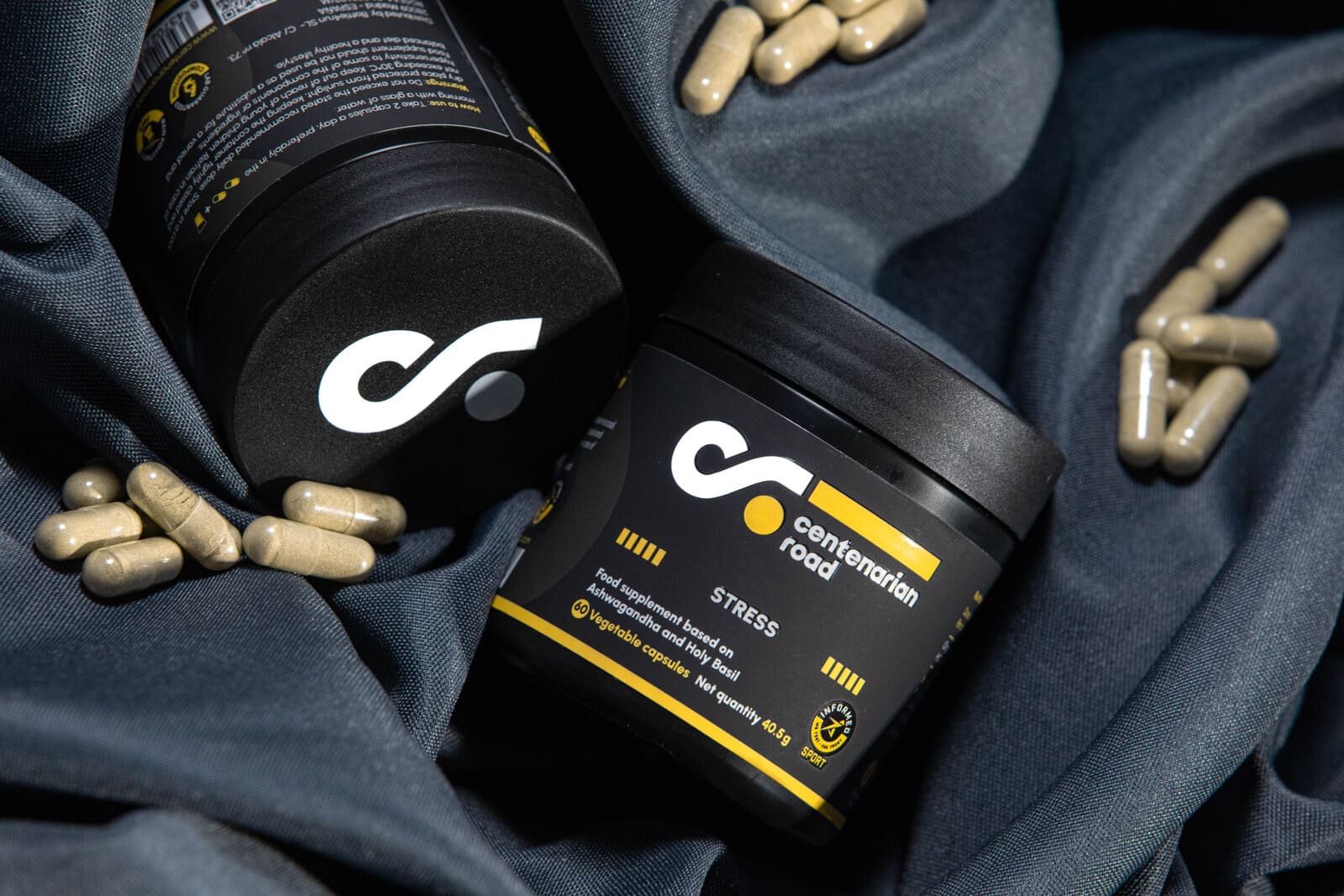
Within a well-planned strategy, some Centenarian Road products may fit common women’s needs, always depending on individual context.
May make sense when the goal is to support vitamin D intake, especially in cases of low sun exposure or insufficient levels.
View product
May help complement EPA and DHA intake when the diet provides little oily fish.
View product
May fit routines focused on muscle function, the nervous system, rest, or stress management.
View product
May be part of strategies focused on skin, joints, and connective tissue support.
View product
May be useful when daily protein intake is not being met, especially in active women or those with muscle maintenance goals.
View product
The key is not to take them all, but to choose the one that responds to a real need.
If you are pregnant, breastfeeding, taking medication, or have a medical condition, review any supplement with a healthcare professional before using it.
Scientific evidence
Dietary Supplements and Life Stages: Pregnancy — NIH Office of Dietary Supplements
NIH explains that prenatal supplements may be especially important during pregnancy to cover folate or folic acid, iron, iodine, and vitamin D. This supports the need to adapt women’s supplementation to each life stage.
Original URL: https://ods.od.nih.gov/factsheets/Pregnancy-HealthProfessional/
Healthy Eating During Pregnancy — American College of Obstetricians and Gynecologists, ACOG
ACOG summarizes key nutrients during pregnancy, such as folic acid, iron, calcium, vitamin D, choline, omega-3, B vitamins, and vitamin C. It also reinforces that food should remain the foundation.
Original URL: https://www.acog.org/womens-health/faqs/healthy-eating-during-pregnancy
Vitamins and Minerals — Harvard T.H. Chan School of Public Health
Harvard outlines recommended intakes for vitamins and minerals, including relevant differences by age and sex in nutrients such as iron, magnesium, iodine, and calcium. This helps explain why needs are not the same at every stage.
Original URL: https://nutritionsource.hsph.harvard.edu/vitamins/
Physiological Need for Calcium, Iron, and Folic Acid for Women of Various Subpopulations During Pregnancy and Beyond — Brown et al., 2021
A scientific review on the physiological importance of calcium, iron, and folic acid in different subpopulations of women, including pregnancy and other life stages.
Original URL: https://pmc.ncbi.nlm.nih.gov/articles/PMC8020528/
Vitamin D and Calcium in Osteoporosis, and the Role of Bone Turnover Markers — Voulgaridou et al., 2023
A review on vitamin D, calcium, and bone health, especially relevant in stages where bone mass, menopause, and healthy aging become more important.
Original URL: https://pmc.ncbi.nlm.nih.gov/articles/PMC9944083/