








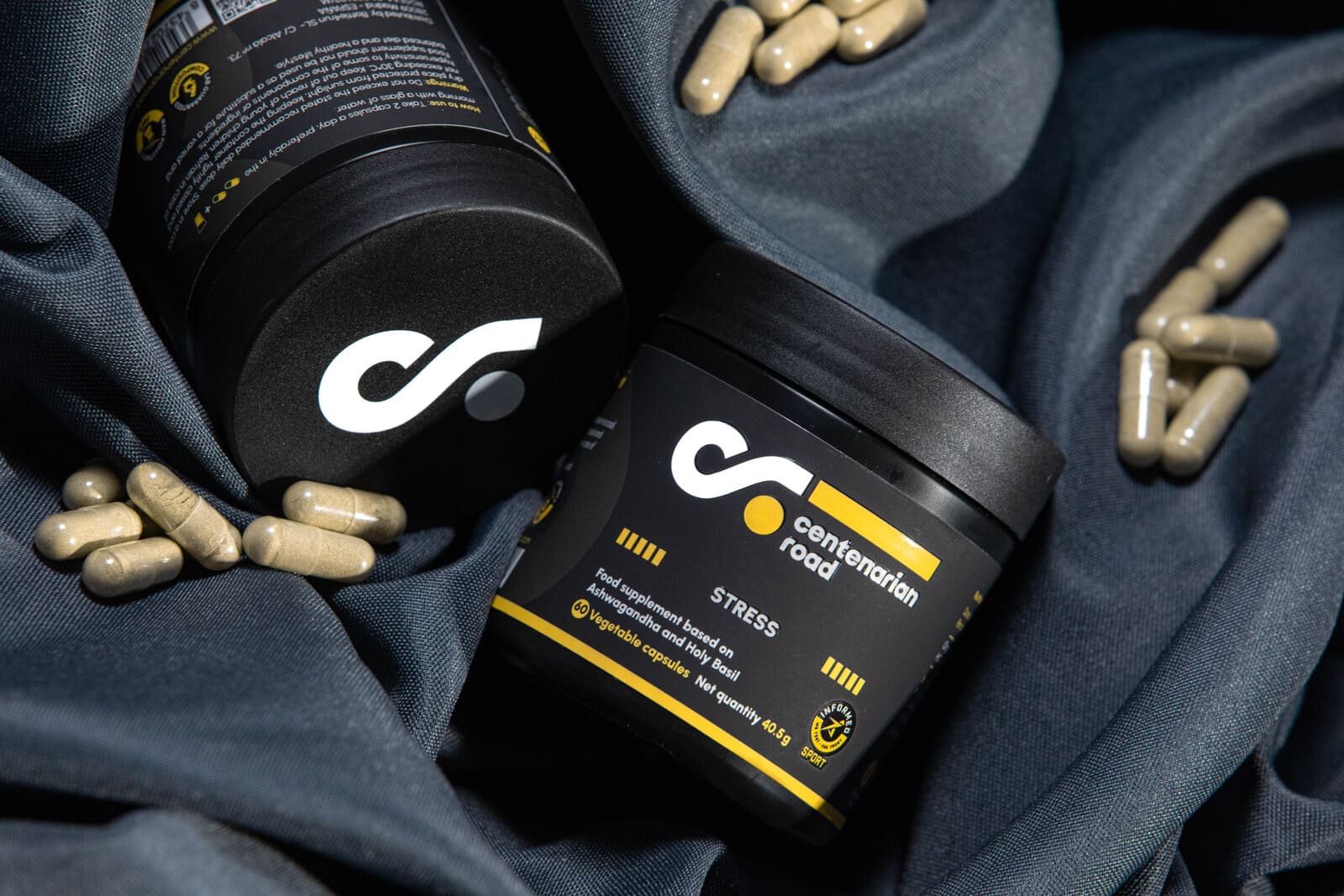


Dietary supplements are now part of the wider conversation around health, performance, and longevity. We often hear about vitamin D, magnesium, omega-3, probiotics, collagen, creatine, protein, or melatonin, but it is not always clear what they are or when they are actually worth taking.
A dietary supplement does not replace a balanced diet. It does not replace sleep, exercise, or a healthy lifestyle either. Its role is to complement your nutrition when there is a specific need: low nutrient intake, a particular life stage, a demanding training routine, or a professional recommendation.
In other words, supplements should not be taken “just in case.” They should be used with purpose and good judgment.
What Are Dietary Supplements?
Dietary supplements are products designed to provide nutrients or other substances with a nutritional or physiological effect. They may contain vitamins, minerals, amino acids, fatty acids, probiotics, plant extracts, or other compounds naturally found in food.
They can come in different formats: capsules, tablets, powders, liquids, softgels, or sachets.
Their main purpose is to support the diet, not replace it.
Difference Between a Dietary Supplement, a Supplement, and a Medicine
In everyday language, “dietary supplement” and “supplement” are often used to mean the same thing. Both refer to products that help complement the diet.
The key difference is between a dietary supplement and a medicine.
A medicine is intended to prevent, diagnose, treat, or cure disease. A dietary supplement, on the other hand, should not promise to cure medical conditions or replace medical treatments.
It may help support a nutritional need, but it should not be presented as a medical solution.
What Ingredients Can Dietary Supplements Include?
Dietary supplements can contain many different types of ingredients. Some of the most common include:
- Vitamins, such as vitamin D, vitamin C, or B vitamins.
- Minerals, such as magnesium, zinc, iron, calcium, or selenium.
- Fatty acids, such as omega-3 EPA and DHA.
- Amino acids, such as glycine, leucine, or BCAAs.
- Proteins, such as whey protein or hydrolyzed collagen.
- Probiotics, associated with gut microbiota.
- Botanical extracts, such as ashwagandha, turmeric, or holy basil.
- Specific compounds, such as creatine, melatonin, or hyaluronic acid.
Not all supplements serve the same purpose. A vitamin D supplement does not have the same function as a protein powder, a probiotic, or a magnesium supplement. That is why every product should be assessed according to its formula, dosage, evidence, and intended use.

What Are Dietary Supplements Used For?
Dietary supplements can make sense when they respond to a clear need. They should not be used automatically or as a substitute for a varied diet.
The key question is:
Is there a specific reason to take it?
That reason may be low intake of a nutrient, a restrictive diet, limited sun exposure, a specific life stage, intense physical training, or a professional recommendation.
Supporting Specific Nutritional Needs
One of the most reasonable uses of dietary supplements is to help cover nutritional needs that are not being met consistently through diet.
For example, someone with limited sun exposure may need to review their vitamin D levels. A vegan person should pay attention to vitamin B12. An athlete may require more protein, creatine, or electrolytes depending on their training.
There are also stages of life where nutritional needs may change, such as pregnancy, breastfeeding, older age, restrictive diets, or absorption issues.
In these cases, supplementation can be useful, but it should be approached individually.
Supporting Health, Performance, and Longevity Goals
Some dietary supplements can also fit into routines focused on wellbeing, physical performance, or healthy longevity.
- Creatine monohydrate is studied for its role in strength and performance.
- Omega-3 provides the fatty acids EPA and DHA.
- Hydrolyzed collagen may be part of strategies focused on skin, joints, and connective tissue.
- Magnesium bisglycinate supports normal muscle and nervous system function.
- Probiotics are associated with gut microbiota.
But no supplement works in isolation. Its usefulness depends on the full context: diet, sleep, training, dosage, product quality, and consistency.
How to Choose a Dietary Supplement Wisely
Choosing a dietary supplement should not depend on trends or bold promises.
A better decision starts with three questions:
What do I need?
What evidence supports it?
Does the dose make sense?
A good supplement should have a clear purpose, an understandable formula, and a coherent dosage.
Check Evidence, Dosage, and Bioavailability
Scientific evidence is not the same for every ingredient. Some, such as creatine, vitamin D, and omega-3, have been widely studied in specific contexts. Others have more limited data.
Dosage also matters. An ingredient may be promising, but if the amount is too low, the product may not be useful. If the dose is too high, it may increase the risk of unwanted effects.
Bioavailability is also important. Some forms are better absorbed or better tolerated than others. In minerals such as magnesium, for example, the chemical form can influence both absorption and digestive tolerance.
That is why it is not enough to look at the name of the ingredient. You need to consider the form, the amount, and the goal.
Read the Label and Avoid Duplicates
Reading the label is essential.
You should check:
- Active ingredients.
- Amount per daily dose.
- Form of the ingredient.
- Directions for use.
- Warnings.
- Allergens.
- Excipients.
It is also important to avoid duplicates. Many people combine several products without realizing they are repeating ingredients such as vitamin D, magnesium, zinc, iron, or botanical extracts.
This can increase the risk of exceeding recommended doses or creating unnecessary interactions.
A well-chosen dietary supplement should simplify your routine, not make it more complicated.
When to Be Careful
Dietary supplements can be useful, but they are not automatically risk-free. Natural does not always mean safe. Over the counter does not always mean suitable for everyone.
There are situations where it is best to speak with a healthcare professional first: pregnancy, breastfeeding, kidney disease, liver disease, chronic medication, upcoming surgery, or taking several supplements at the same time.
Interactions, High Doses, and Special Situations
Some supplements may interact with medications. Others may not be suitable for certain conditions.
There are also nutrients that can cause problems when taken in excess over time. This may be the case with some fat-soluble vitamins, such as A, D, E, and K, or certain minerals.
Safety depends on the dose, duration, product quality, and individual situation.
Responsible supplementation is not about taking more. It is about choosing better.
Certified Supplements: Why Quality Matters as Much as the Ingredient
When choosing dietary supplements, it is not enough to focus only on the main ingredient. Formula quality, traceability, dosage, purity, and product controls also matter.
That is why more people are looking for certified supplements or products developed under strict quality standards. This helps reduce uncertainty about what you are taking and makes it easier to assess composition, safety, and label transparency.
Within a well-designed supplementation strategy, products such as Liposomal Vitamin D3 + K2, Magnesium+, Omega-3 Pure Fish Oil, Creatine Monohydrate, or Collagen Pro Grass Fed by Centenarian Road can make sense when they respond to a specific need: supporting vitamin D intake, muscle function, omega-3 intake, physical performance, or the care of joints, skin, and connective tissue.

Frequently Asked Questions About Dietary Supplements
Which Dietary Supplement Makes Sense for Older Adults?
A dietary supplement for older adults may make sense when it helps cover nutritional needs that often change with age, such as maintaining muscle mass, bone health, immune function, mobility, or sleep quality.
Nutrients such as vitamin D, magnesium, omega-3, protein, collagen, or probiotics may be useful in certain cases, always within the context of a balanced diet and individual assessment.
For older adults, it is especially important to review medication, existing health conditions, and possible interactions before starting any supplement.
Dietary Supplement Brands: How Do You Choose a Reliable Brand?
When comparing dietary supplement brands, it is best to prioritize companies that offer clear labeling, transparent dosages, well-defined ingredients, traceability, quality controls, and formulas aligned with scientific evidence.
A reliable brand should not rely on exaggerated promises. Instead, it should explain what each product contains, why it has been formulated that way, and what type of need it may support.
It is also worth considering whether the brand uses high-quality raw materials, certifications, third-party testing, or demanding manufacturing standards.
Can Melatonin as a Dietary Supplement Help You Sleep Better?
Melatonin as a dietary supplement may help support the onset of sleep in people who have occasional difficulty falling asleep, changes in schedule, or circadian rhythm disruption.
It should not be understood as a universal solution for every sleep problem. Its usefulness depends on the dose, timing, nighttime habits, and the underlying cause of poor sleep.
To improve sleep more effectively, it is also important to manage light exposure, caffeine intake, sleep schedules, stress, and overall sleep hygiene.
Which Dietary Supplement Can Support Hair and Nails?
A dietary supplement for hair and nails may be useful when there is insufficient intake of nutrients related to hair structure, skin, and nail quality.
Ingredients such as hydrolyzed collagen, biotin, zinc, vitamin C, hyaluronic acid, or magnesium may be included in formulas designed to support hair and nail care.
However, hair loss, brittle nails, or skin changes can have many causes. Diet, stress, sleep, hormonal changes, and possible nutritional deficiencies should also be considered.
What Is the Best Dietary Supplement for Sleep?
The best dietary supplement for sleep depends on the reason behind poor rest.
Melatonin may be useful when the issue is related to falling asleep or circadian rhythm. Magnesium may fit better when there is muscle tension, stress, or difficulty relaxing. Glycine and certain botanical extracts may also be included in formulas designed to support rest.
The most important thing is to choose a product with clear dosages, well-formulated ingredients, and a complementary approach to good sleep habits.