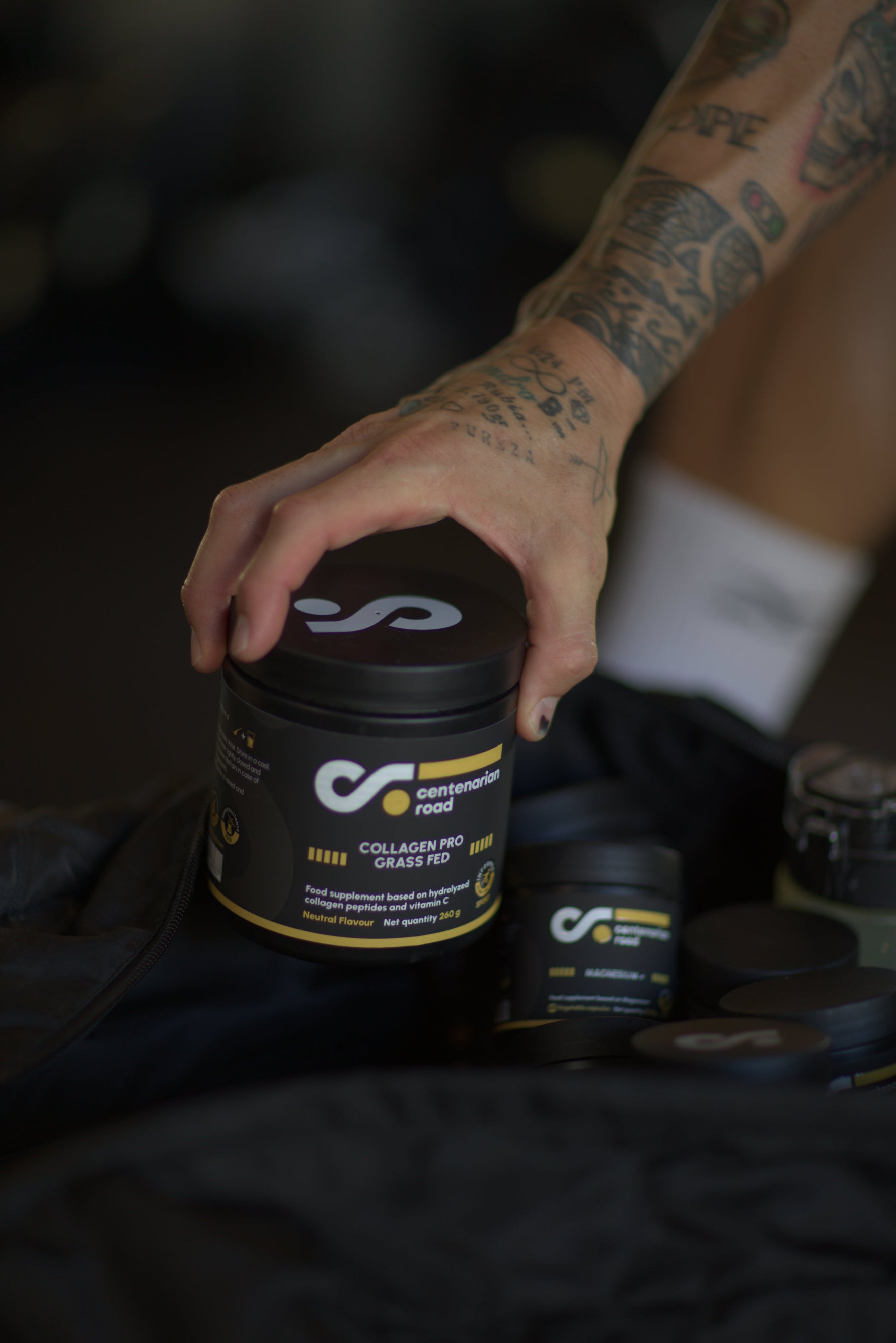








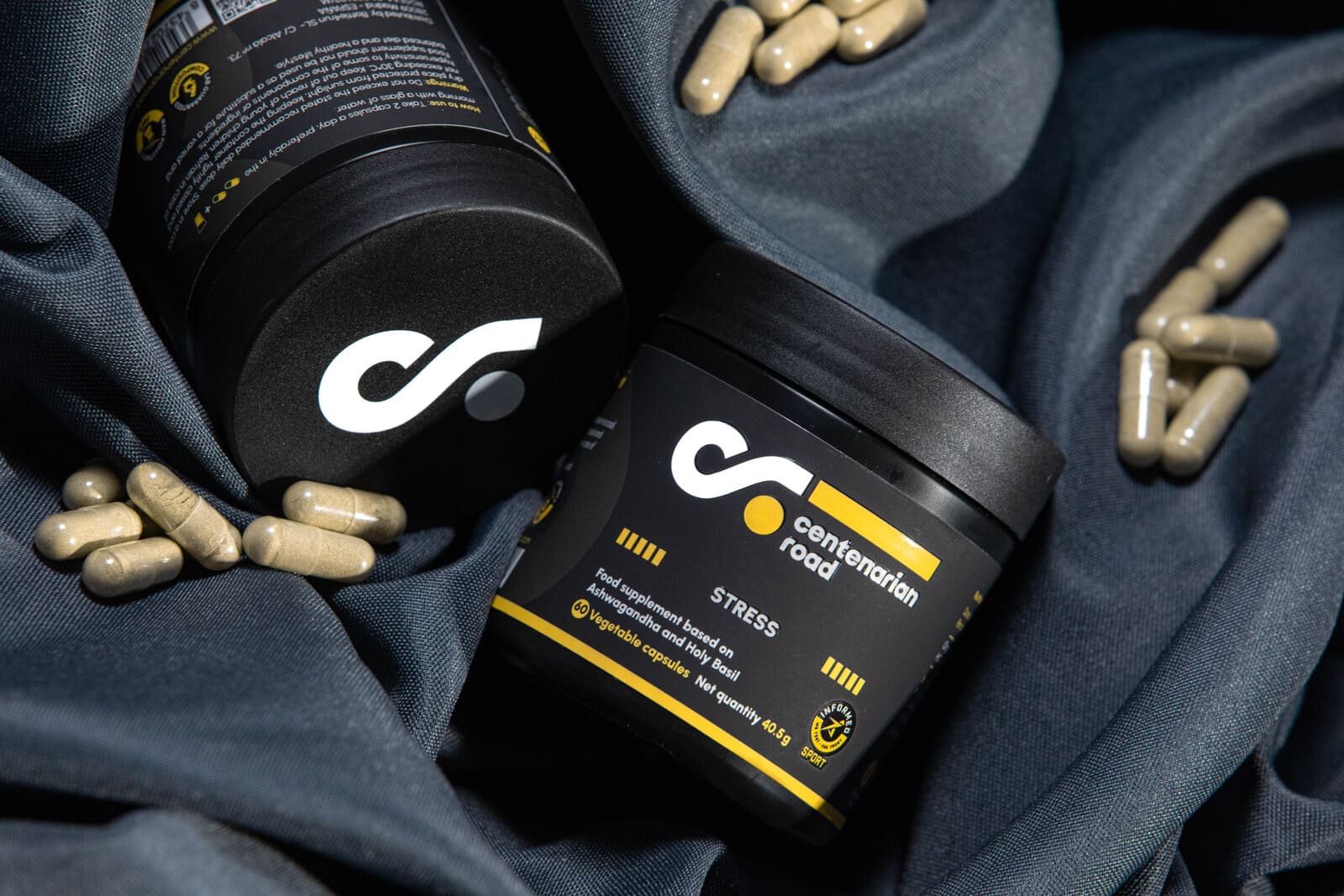


Informed Sport supplements are sports nutrition products that have gone through an independent testing and certification program designed to reduce the risk of contamination with substances banned in sport.
This certification is especially relevant for athletes, federated competitors, professional teams, and anyone subject to anti-doping controls. Its purpose is not to prove that a supplement “improves performance,” but to confirm that the product has been tested under a specific system focused on banned substance risk.
Why Informed Sport Exists
The sports supplement market is wide and constantly growing. Whey protein, creatine, BCAAs, collagen, caffeine, pre-workouts, recovery formulas, electrolytes, and energy products are part of many athletes’ daily routines.
The problem is that not all products follow the same level of quality control.
In competitive sport, accidental contamination can have serious consequences. A supplement may contain traces of a banned substance even if it does not appear on the label. Manufacturing errors, cross-contamination, or ingredients listed under different names can also create risks.
The International Testing Agency, ITA, reminds athletes that they are responsible for any substance found in their body, even when there was no intention to dope.
That is why choosing third-party tested sports supplements can be an important way to reduce risk.
Informed Sport Is Not the Same as “High-Quality Sports Supplement”
This is an important distinction: a supplement can be well formulated without being Informed Sport certified.
The opposite can also be true. A product may be certified for banned substance testing, but still not be necessary for a specific person.
Informed Sport certification mainly answers one question:
Has this product been tested to reduce the risk of banned substances in sport?
It does not automatically answer other important questions:
- Do you really need this supplement?
- Does the dose make sense?
- Is there evidence behind this ingredient?
- Does it fit your nutrition and training plan?
- Are you taking it at the right time?
That is why the certification should be understood as an extra layer of safety, not as an absolute guarantee of effectiveness.
How Informed Sport Certification Works
The Informed Sport certification process includes product review, manufacturing review, sample testing, and ongoing monitoring. Certified products go through pre-certification and post-certification phases.
One of the most relevant points is that each batch of a certified product must be tested before it is released for sale. The program states that products are screened for more than 285 substances prohibited in sport.
This matters because, in sports supplementation, it is not enough for a brand to be well known. The specific product, the specific batch, and its traceability are what really count.
What Athletes Should Check
Before taking an Informed Sport supplement, athletes should check:
- That the product appears in the official Informed Sport database.
- That the batch matches the product purchased.
- That the packaging has not been tampered with.
- That the supplement has a real purpose.
- That ingredients are not being duplicated across several products.
- That its use fits within a serious nutrition plan.
This step is essential. Seeing a logo in a promotional image is not enough. Verification should always be done through the official database or the program’s verification tools.

Informed Sport vs Informed Choice
Informed Sport and Informed Choice are related programs, but they are not exactly the same.
According to Informed Sport, both use similar testing procedures and technologies, with ISO 17025-accredited methods. The main difference is testing frequency: Informed Sport tests every batch before market release, while Informed Choice relies on periodic testing through sampling.
That is why Informed Sport is usually the more relevant standard for elite athletes, federated competitors, and people subject to anti-doping controls.
Informed Choice may still be useful for active consumers who want an extra layer of quality control but do not necessarily compete under strict anti-doping rules.
What Types of Supplements Usually Seek This Certification?
Informed Sport certification may appear across different sports nutrition categories, including:
- Whey protein.
- Creatine monohydrate.
- BCAAs and essential amino acids.
- Collagen for athletes.
- Muscle recovery supplements.
- Energy drinks.
- Electrolytes.
- Pre-workouts.
- Endurance supplements.
- Recovery formulas.
This does not mean every supplement in these categories needs to be certified. It depends on the user’s profile.
For recreational athletes, it may be enough to choose high-quality products with good formulation and transparent labeling.
For athletes subject to anti-doping controls, the standard should be much higher.
Who Should Pay Special Attention to Informed Sport Supplements?
Informed Sport supplements are especially relevant for:
- Professional athletes.
- Federated competitors.
- People competing in sports with anti-doping controls.
- Sports teams.
- Strength and conditioning coaches.
- Sports nutritionists.
- Military personnel or professionals subject to internal testing.
- High-performance athletes who want to avoid unnecessary risks.
For these profiles, supplementation should follow a clear logic: need, evidence, safety, and traceability.
The most responsible approach is always to start with a well-planned diet. If a specific need remains, the supplement should then be chosen with greater care.
Sport Integrity Australia, for example, reminds athletes that no supplement can be considered 100% safe and recommends a “food-first” approach.
Informed Sport Supplements and Athletic Performance
Informed Sport certification does not automatically make a product effective.
A supplement can be tested and still provide little value if there is no real need for it.
For example:
- Creatine monohydrate may make sense for strength, power, or muscle mass goals.
- Whey protein can help when daily protein intake is not being met.
- BCAAs may be useful in specific contexts, although their value depends heavily on total protein intake.
- Hydrolyzed collagen may be part of strategies focused on connective tissue, joints, or recovery.
But certification does not replace nutritional analysis.
First, define the goal. Then review the evidence. Then assess the supplement. And if anti-doping risk matters, prioritize reliable certification.
Choose Certified Supplements With a Clear, Results-Oriented Formula
In sports nutrition, trust should not depend only on the ingredient. It also matters how the product is formulated, what dose it provides, what controls support it, and whether it truly fits your goals.
At Centenarian Road, you will find supplements designed to support demanding routines with a clear focus: quality, transparency, and real usefulness.
Products such as Creatine Monohydrate, Grass Fed Whey, BCAAS 2:1:1, Collagen Pro Grass Fed, and Omega-3 Pure Fish Oil can fit into a well-planned sports nutrition strategy when the goal is to support performance, muscle recovery, protein intake, or the care of joints and connective tissue.
If you are looking for certified supplements or formulas developed under high quality standards, always choose products with well-defined ingredients, coherent dosages, and transparent composition.
Explore the Centenarian Road product range and choose the supplement that best fits your needs, training, and lifestyle.

Frequently Asked Questions About Certified Sports Supplements
What Is Informed Sport Creatine and Why Can It Matter?
Informed Sport creatine is creatine that has undergone independent testing to reduce the risk of contamination with banned substances in sport. This certification may be especially important for federated athletes, high-performance competitors, or anyone subject to anti-doping controls.
Beyond certification, the key is to choose creatine monohydrate with a clear dose, good purity, traceability, and a simple formula without unnecessary blends or exaggerated claims.
What Are the Best Sports Supplement Brands?
The best sports supplement brands are those that offer transparency, well-defined ingredients, coherent dosages, quality controls, and evidence-based formulas.
A good brand should not rely only on marketing. It should clearly explain what each product contains, what goal it supports, and what manufacturing standards it follows.
For high-level athletes, it may also be important to consider external certifications, batch testing, and guarantees against banned substances.
What Are Natural Sports Supplements?
Natural sports supplements are products formulated with ingredients found in food or derived from natural sources, such as whey protein, creatine, omega-3, collagen, magnesium, amino acids, or plant extracts.
However, “natural” does not always mean better or safer. What really matters is that the supplement has a clear function, an appropriate dose, good tolerance, and a transparent composition.
It should complement diet and training, not replace them.
How Do You Know Which Sports Supplements Are Best?
To know which sports supplements are best, start by defining the goal: building strength, improving recovery, increasing protein intake, supporting joints, or enhancing performance.
Then review the scientific evidence, dosage, raw material quality, label transparency, and brand reputation.
The best supplements are not the ones that promise the most. They are the ones that fit a real need and are formulated with purpose.
What Supplement Makes Sense for Elite Athletes?
A supplement for elite athletes should be chosen with more demanding criteria than a general-use product.
For this profile, efficacy, dosage, safety, traceability, and anti-doping risk all matter.
Supplements such as creatine monohydrate, whey protein, omega-3, collagen, magnesium, or amino acids may make sense depending on the sport, diet, training load, and individual goals.
For athletes subject to testing, it is advisable to prioritize recognized certifications and professional guidance.