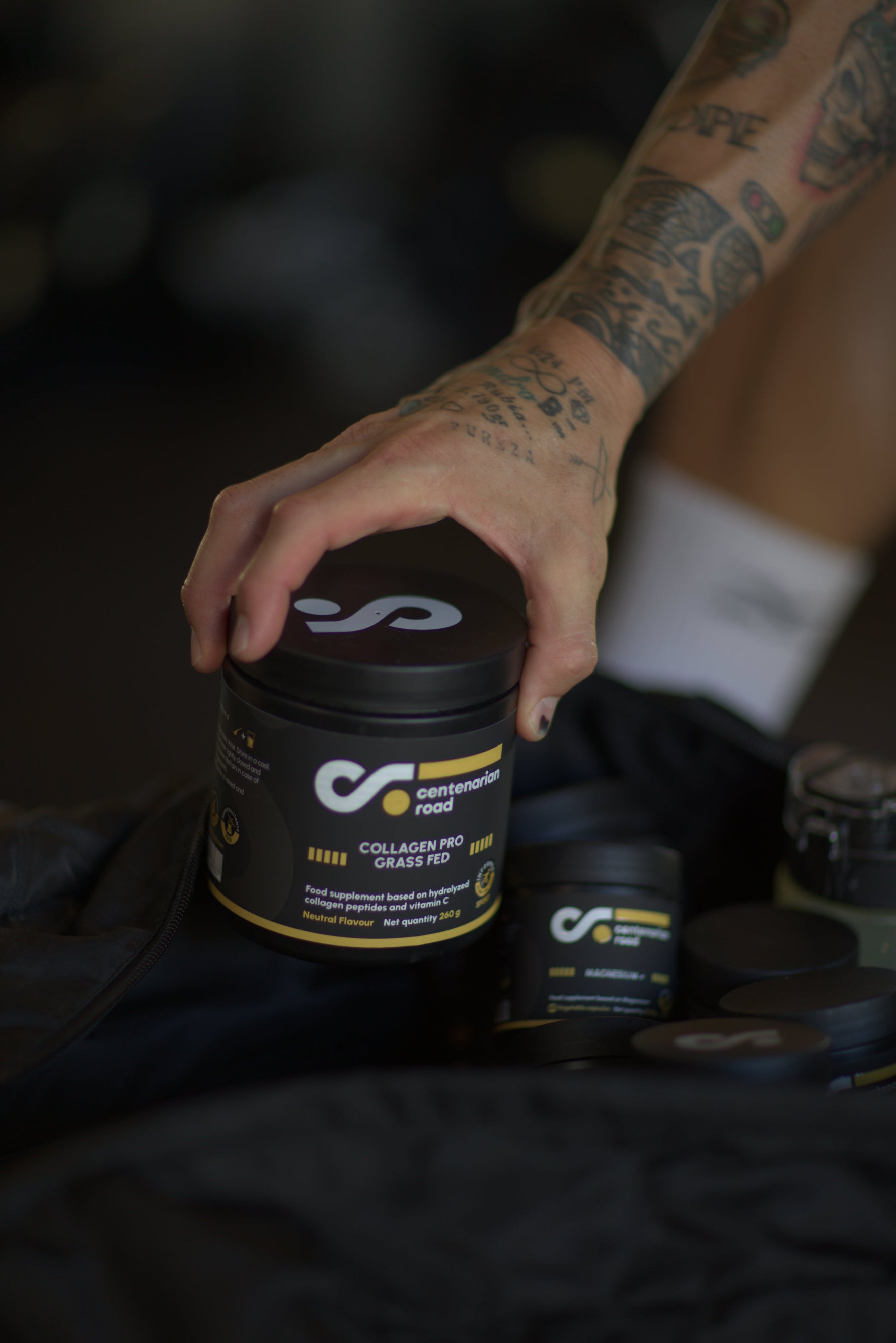










Not all collagen supplements are created equal. The source and rearing of bovine collagen significantly affect its nutritional quality, purity, and effectiveness. Grass-fed bovine collagen, from pasture-raised cattle, represents the gold standard in supplementation, offering superior benefits that justify its premium status.
Premium Quality from Grass-Fed Sources
Grass-fed collagen differs from conventional collagen in amino acid profiles, fatty acids, and contaminant levels, which directly influence therapeutic outcomes and safety.
Nutritional Benefits
This collagen provides highly bioavailable amino acids like glycine, proline, and hydroxyproline. Sourced from naturally raised, mineral-rich cattle, it ensures purer peptides without toxic residues common in conventional sources.
Purity and Safety
Grass-fed cattle show 85–95% fewer pesticide residues and 70% lower heavy metals compared to conventional collagen. Raised without routine antibiotics or hormones, this collagen is free of pharmaceutical residues, supporting gut and overall health.
Processing Excellence
Low-temperature enzymatic hydrolysis preserves bioactive peptides, while advanced filtration removes allergens and inflammatory compounds. The result is high-protein, easily absorbable collagen (90–95% protein vs 80–85% in conventional products). Third-party certifications, like Informed Sport, ensure quality, safety, and reliability.

Scientific Evidence on Bovine Collagen
Research indicates that bovine collagen peptides can stimulate cell proliferation and support tissue regeneration, including skin and bone. Studies also suggest that collagen may accelerate wound healing and reduce inflammation in animal models.
Although these studies do not directly compare grass-fed versus conventional collagen, they highlight the importance of choosing pure, highly bioavailable sources to maximize benefits.
Scientific References
- Effects of bovine collagen on skin and connective tissues – PubMed
- Bovine collagen and wound healing – PubMed
Impact of Sustainable Farming Practices
Grass-fed cattle use regenerative farming techniques that improve soil health, capture carbon, and enhance biodiversity. Nutrient-rich pastures lead to higher-quality collagen compared to grain-fed cattle.
Rotational grazing allows pastures to recover, promoting deep roots that access essential minerals like selenium, chromium, and molybdenum—key cofactors for optimal collagen metabolism.
Water use is 40–60% lower than conventional feedlots due to natural rainfall and reduced feed processing, often resulting in nutrient-dense collagen.
Link Between Animal Welfare and Collagen Quality
Lower stress in pasture-raised cattle improves collagen fiber structure and bioactive peptide content. Grass-fed animals have 45–60% lower cortisol than feedlot cattle.
Natural diets and movement promote stronger connective tissues and higher-quality collagen. These animals also show better immune function and lower inflammation, producing collagen with enhanced therapeutic potential.
Transparency and Traceability Benefits
Premium grass-fed collagen brands provide full traceability from farm to product, allowing verification of rearing methods, feed, and processing.
Third-party certifications, often exceeding FDA standards, ensure authenticity and quality. Transparent supply chains also support ethical labor practices and fair compensation, justifying premium pricing while encouraging sustainable operations.