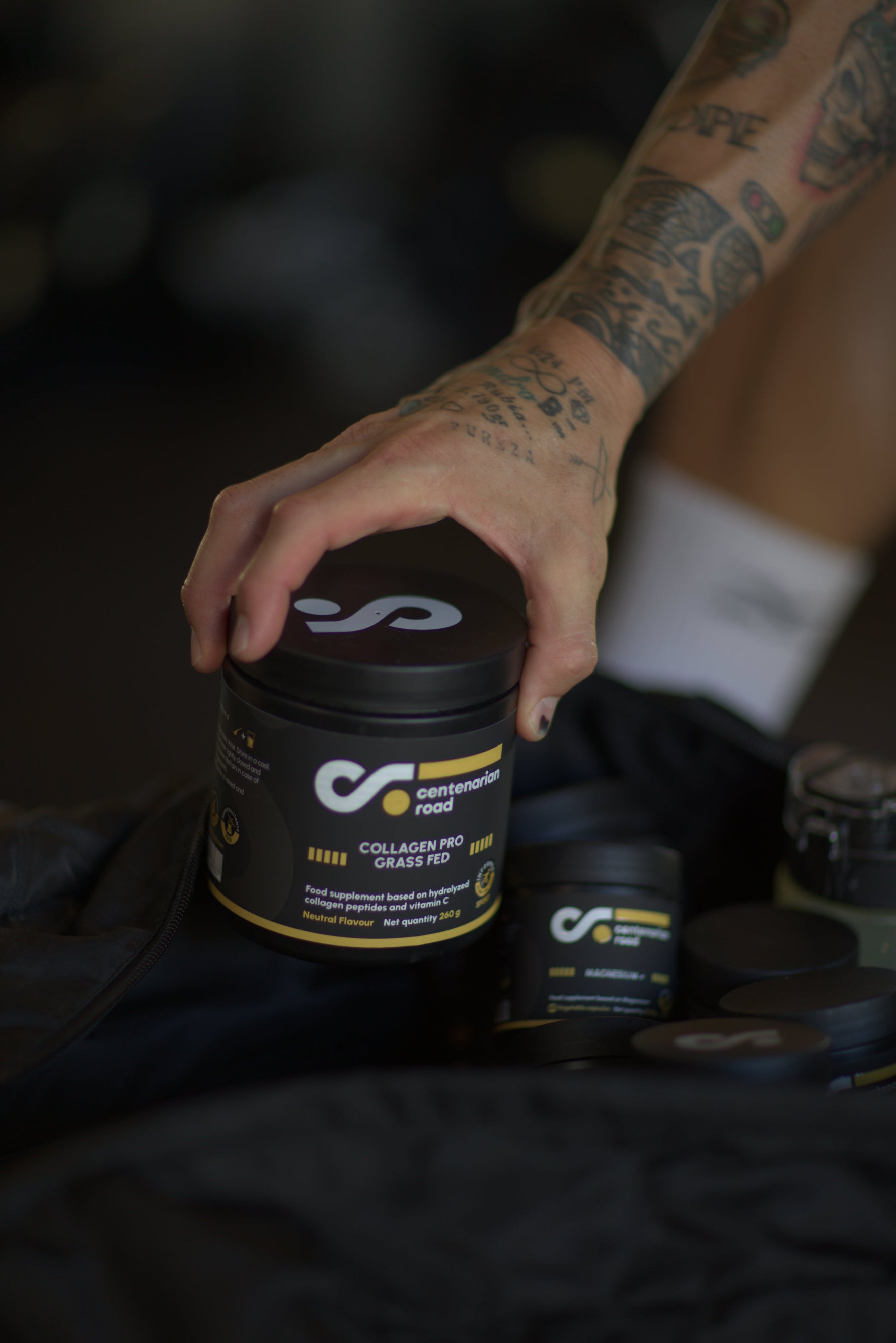








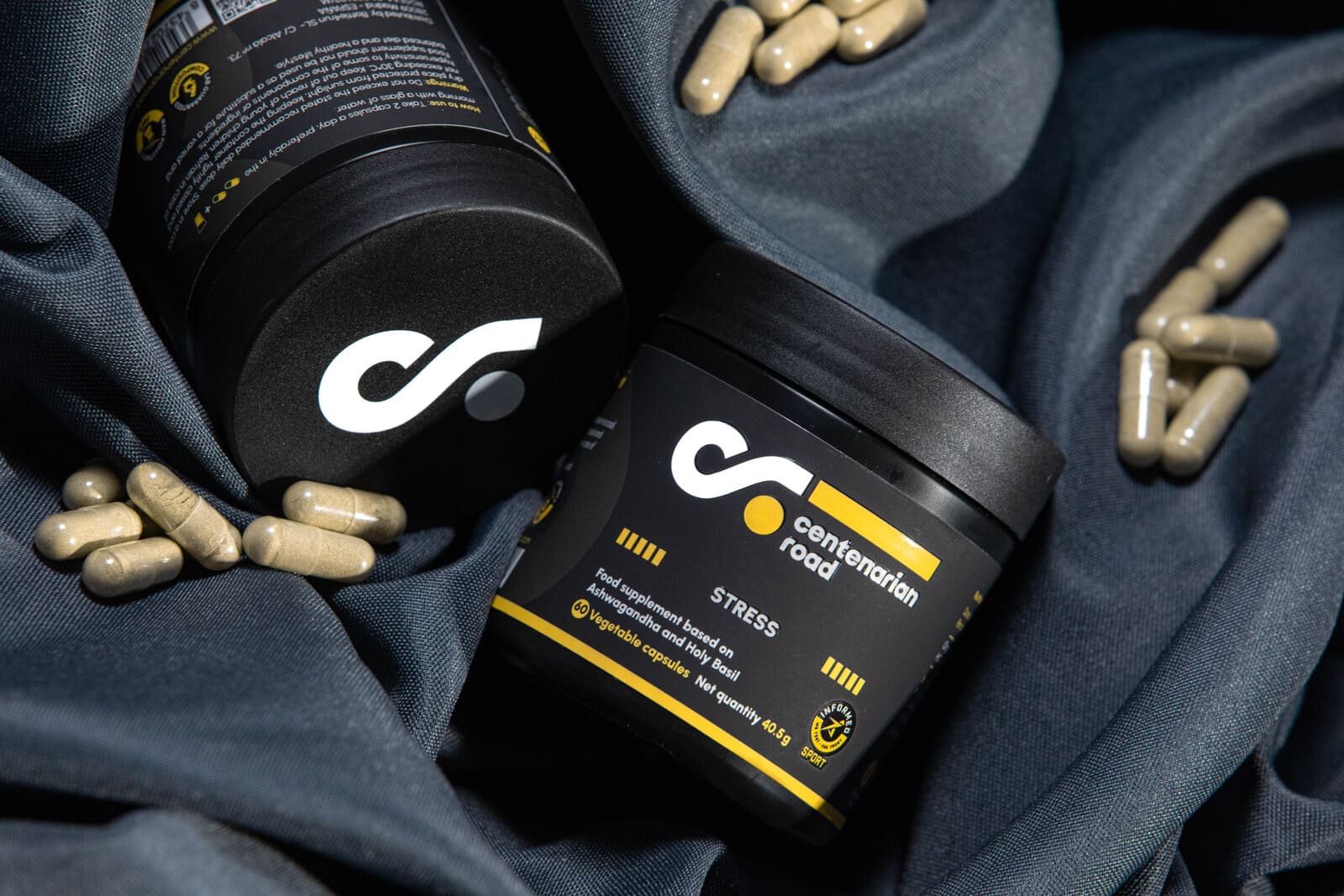


Choosing the best high-performance supplements for cyclists can help support the nutritional demands of a sport defined by long training sessions, substantial energy expenditure and the need for consistent recovery. A balanced diet should always remain the foundation of performance, although certain supplements for cyclists may complement nutrition when specific dietary needs arise.
Sports supplementation should never be based on trends or generic recommendations. Every cyclist has different goals, training volumes and nutritional requirements. For this reason, selecting products made with premium ingredients, transparent formulations and science-backed compounds is essential.
This guide explains which dietary supplements for cyclists are most commonly used, when they may be appropriate within a structured training programme and the factors worth considering before introducing any supplement into your routine.
Supplements for cyclists
Cycling supplements can serve a variety of nutritional purposes. Some help athletes meet daily protein requirements, others support recovery after demanding sessions, while certain ingredients contribute to maintaining adequate nutrient intake during periods of heavy training. No supplement replaces a balanced diet, but several ingredients are supported by robust scientific evidence within sports nutrition.
The objective is not to take more supplements, but to identify those that genuinely match your individual nutritional needs and performance goals.
One of the most extensively researched sports nutrition ingredients, particularly valuable for cyclists performing sprint intervals, explosive efforts and strength-based training.
Protein contributes to the maintenance and growth of muscle mass while helping athletes meet their daily protein intake after demanding rides.
EPA and DHA remain widely investigated within sports nutrition and form part of a healthy, balanced diet.
Contributes to normal muscle function, energy metabolism and electrolyte balance according to authorised European health claims.
Supports normal muscle function while contributing to the healthy functioning of the immune system.
A balanced gut microbiota may complement the nutritional strategy of cyclists exposed to high training loads throughout the season.
Selecting the right supplements for cyclists means considering your training objectives, the quality of the formulation and the scientific evidence supporting each ingredient.
Understanding what distinguishes a premium manufacturer makes it easier to choose supplements that offer superior transparency, traceability and quality assurance.
Before introducing any supplement, it's worth understanding its intended purpose and whether it genuinely fits within a balanced nutritional strategy.

Which nutrients are most important for cyclists?
The nutritional requirements of cyclists vary according to training intensity, ride duration and competition schedules. Nevertheless, certain nutrients consistently play an important role in endurance sports because of their contribution to energy availability, muscle maintenance and post-exercise recovery.
The primary energy source during prolonged exercise, helping sustain performance throughout long rides and competitive events.
Supports muscle maintenance and recovery following demanding training sessions.
Minerals including sodium, potassium and magnesium contribute to hydration balance and normal muscle function.
Part of a balanced diet and widely studied for their role in overall sports nutrition.
Supports normal muscle function and contributes to immune system health, particularly relevant during periods of intensive training.
May be particularly valuable for cyclists incorporating sprint work, explosive efforts or structured strength training into their programme.
How to choose dietary supplements for cyclists
Selecting the right dietary supplements for cyclists involves far more than choosing a popular product. Ingredient quality, clinically relevant dosages, manufacturing transparency and independent certification programmes are all key factors when evaluating a supplement.
Choose products formulated with ingredients that have been extensively studied in sports nutrition and supported by peer-reviewed research.
Every active ingredient should be clearly listed so you know exactly what each serving provides.
Patented or independently verified ingredients generally provide greater confidence regarding purity, consistency and traceability.
Transparent formulations make it easier to compare products and evaluate whether the ingredient amounts are meaningful.
Reliable manufacturers apply rigorous production standards to ensure consistency between batches.
For competitive cyclists, choosing supplements certified by Informed Sport provides additional reassurance, as every production batch is screened for a wide range of banned substances.
Whether you race professionally or compete recreationally, independently certified supplements offer an extra level of confidence throughout the season.
Energy supplements for cyclists
Energy supplements for cyclists are designed to complement nutrition before, during and after exercise. Their role depends on the duration and intensity of training, as well as the individual athlete's nutritional requirements.
A one-hour recovery ride requires a very different nutritional strategy from a multi-hour endurance event or a demanding mountain stage. Matching supplementation to the specific demands of each session is essential.
Starting a session with appropriate energy stores and good hydration helps prepare the body for sustained performance.
For prolonged exercise, carbohydrate intake and adequate hydration may help maintain performance throughout the session.
Combining carbohydrates with high-quality protein supports nutritional recovery following demanding training or racing.
Sodium and other electrolytes contribute to maintaining fluid balance during prolonged exercise.
Adequate daily protein intake contributes to muscle maintenance and recovery after intensive cycling sessions.
Supplement strategies should always be tailored to training load, environmental conditions and individual performance goals.
Choosing supplements from manufacturers committed to transparency and independent quality certification provides greater confidence when training and competing at your highest level.
Recovery after long-distance cycling
Long rides and demanding training blocks place considerable physiological stress on the body. Effective recovery helps replenish nutrients, support muscle maintenance and prepare cyclists for their next session. Alongside proper rest and a balanced diet, certain supplements may complement recovery when they address specific nutritional needs.
Protein contributes to the maintenance and growth of muscle mass following prolonged or high-intensity training.
May complement programmes that combine endurance cycling with strength training or repeated high-intensity efforts.
An important component of a balanced diet and one of the most widely researched ingredients in sports nutrition.
Contributes to normal muscle function and energy metabolism, making it particularly relevant during periods of intensive training.
Restoring fluid balance after exercise is a key part of an effective recovery strategy.
The best recovery results come from combining balanced nutrition, sufficient rest and targeted supplementation rather than relying on supplements alone.
Centenarian Road supplements for high-performance cyclists
Competitive cyclists often prioritise supplements manufactured to the highest quality standards. Products carrying the Informed Sport certification provide additional reassurance, as every production batch is independently tested for more than 250 substances prohibited in sport.
Premium Creapure® creatine independently certified by Informed Sport for athletes who demand exceptional quality and batch-tested purity.
High-quality native whey protein isolate developed to support muscle maintenance and recovery following demanding cycling sessions.
High-purity fish oil providing EPA and DHA, independently tested to ensure quality, freshness and purity.
Albion® magnesium bisglycinate formulated to complement daily magnesium intake in athletes with demanding training schedules.
Selecting supplements manufactured with premium ingredients, transparent formulations and independent certifications such as Informed Sport gives competitive cyclists greater confidence when supporting performance through nutrition.

Frequently asked questions about supplements for cyclists
Which supplements are suitable for a 53-year-old woman who practises cycling?
Supplement choices should always reflect individual nutritional needs, training volume and overall health. Depending on dietary intake, some cyclists may benefit from protein, vitamin D, omega-3 or magnesium, ideally after discussing their requirements with a qualified healthcare professional.
Is creatine beneficial for cyclists?
Creatine is one of the most thoroughly researched ingredients in sports nutrition. It may be particularly useful for cyclists who include strength sessions, sprint intervals or repeated high-intensity efforts within their training programme.
Which supplements are most suitable for beginner cyclists?
Before considering supplementation, beginners should first establish a balanced diet, appropriate hydration and consistent training habits. When additional nutritional support is required, products such as protein, omega-3 or magnesium may complement an individualised nutrition plan.
Which supplements are safest for high-performance cyclists?
Supplements certified by Informed Sport provide an additional level of reassurance because every production batch is independently tested for banned substances. For competitive cyclists, choosing batch-tested products is one of the safest approaches to sports supplementation.