









As we age, our body's natural collagen production gradually decreases, leading to visible signs of aging such as wrinkles, sagging skin, and joint discomfort. Collagen, a crucial protein for maintaining skin elasticity and firmness, plays a key role in preserving a youthful appearance.
But how exactly does collagen help slow down the aging process? In this article, we’ll explore how collagen affects aging, how supplementation can support healthier skin and joints, and the science behind its anti-aging benefits.
The Role of Collagen in Aging
What is collagen and why does it matter?
Collagen is the most abundant protein in the human body, providing structure and strength to skin, bones, joints, and connective tissues. After the age of 20, collagen production declines by roughly 1% per year. This drop contributes to thinner skin, wrinkles, joint discomfort, and other signs of aging. By replenishing collagen levels, the body can regain skin elasticity, hydration, and strength, helping maintain the integrity of skin layers and reducing sagging and wrinkle formation.
How Collagen Supports Skin Health
Collagen is essential for skin firmness and elasticity. It forms a network of fibers that uphold the skin’s structure, keeping it firm and youthful. As collagen levels decline with age, the skin loses its ability to retain moisture and elasticity, leading to fine lines, wrinkles, and sagging. Collagen supplementation can help restore lost collagen, support skin hydration, and improve overall texture, reducing visible signs of aging.
Collagen and Joint Health: Aging and Mobility
Collagen isn’t just important for skin—it’s vital for joint health as well. Over time, cartilage collagen diminishes, which can cause joints to become stiff, sore, and more prone to injury. Supplementing with collagen may help regenerate cartilage, enhance joint flexibility, and reduce discomfort, making movement easier. This is especially valuable as natural collagen production declines with age, supporting an active and comfortable lifestyle.

Maximizing the Anti-Aging Benefits of Collagen
Choosing the Right Collagen Supplement
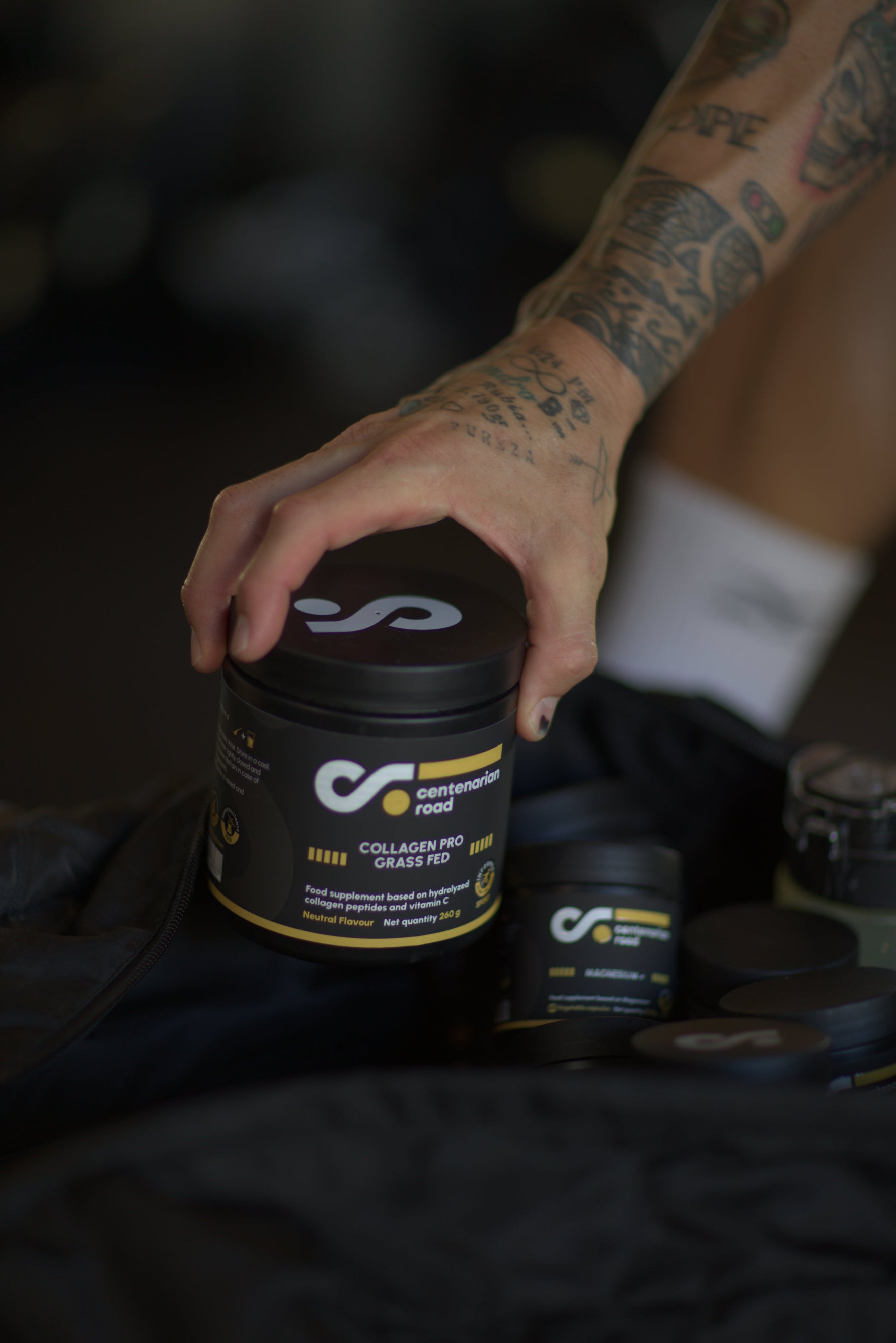
When selecting a collagen supplement, it’s essential to choose high-quality products that provide bioavailable collagen. Hydrolyzed collagen is an excellent option because it breaks down into smaller peptides, making it easier for the body to absorb and use. For optimal results, consider supplements like Collagen Pro Grass Fed, which uses Solugel® Technology to enhance absorption and bioavailability, ensuring your body fully benefits from the collagen peptides.
Collagen-Rich Foods for Skin and Joint Health
Adding collagen-rich foods to your diet can also support youthful skin and joint function. Bone broth, fish, chicken skin, and eggs are natural sources of collagen. These foods provide the amino acids your body needs to produce and maintain collagen levels, supporting healthier skin and joints. Pairing collagen-rich foods with vitamin C–rich foods can further boost collagen production.
Consistency is Key for Long-Term Results
Like any supplement, consistency is crucial. It may take several weeks of regular collagen intake to notice improvements in skin appearance and joint health. Make collagen part of your daily routine and combine it with other anti-aging practices, such as staying hydrated, protecting your skin from sun exposure, and following a balanced diet to achieve lasting results.
Scientific Evidence on Collagen and Skin Aging
Multiple clinical studies and meta-analyses have examined the effects of collagen supplementation on age-related skin changes. Research suggests that oral collagen can improve hydration, increase elasticity, and reduce the appearance of wrinkles.
For instance, a randomized, double-blind, placebo-controlled study found that daily intake of low-molecular-weight collagen peptides over 8 weeks increased skin elasticity and hydration while reducing wrinkle depth in healthy adults.
While not every study shows positive effects, evidence supports that hydrolyzed collagen peptides may help counteract age-related skin changes by enhancing moisture retention, elasticity, and dermal structure.
Reference Links
- Effects of hydrolyzed collagen supplementation on skin aging: review and meta-analysis – PubMed
- Effects of low-molecular-weight collagen peptides on skin health: randomized clinical trial – PubMed
Frequently Asked Questions About Collagen Supplements
Can collagen really reduce wrinkles and fine lines?
Yes. Collagen supplementation can help reduce the appearance of wrinkles and fine lines by restoring collagen levels in the skin. Collagen peptides stimulate the body’s natural collagen production, leading to firmer, smoother skin.
How long until I see results for skin?
Most people notice improvements in skin texture, hydration, and elasticity within 4 to 6 weeks of consistent collagen supplementation. Long-term benefits may take a few months of regular use.
Can collagen improve joint mobility as we age?
Yes. Collagen can significantly support joint health by aiding cartilage regeneration and reducing joint pain and stiffness. It promotes better flexibility and mobility, making movement easier and more comfortable.
Is collagen safe for long-term use?
Yes. Collagen is generally safe for prolonged use. It’s a natural protein recognized and used by the body, and most people tolerate collagen supplements without side effects. However, if you have medical conditions or allergies, it’s always best to consult a healthcare professional.