








The best supplement for muscle recovery depends on what your body needs most: repairing muscle fibres after training, reducing fatigue, maintaining muscle mass or recovering from muscle overload.
Still, if we had to choose one foundation, high-quality protein is usually the most important supplement. It provides the amino acids your body needs to maintain and rebuild muscle tissue. From there, other options such as creatine, magnesium or omega-3 can complement your recovery strategy depending on your goal.
Why Muscle Fatigue and Muscle Overload Happen
Muscle fatigue appears when your muscles accumulate stress and do not recover properly between sessions. It can be caused by very intense training, poor sleep, insufficient nutrition, low protein intake, dehydration or stress.
Muscle overload often feels like stiffness, heaviness, discomfort when moving or the sensation that the muscle is “tight” or overworked. It is not always a serious injury, but ignoring it can make it worse and affect performance.
Muscle Recovery: What Your Body Really Needs
Muscle recovery does not depend on supplements alone. Your body needs rest, enough protein, hydration, carbohydrates to restore energy, quality sleep and a gradual return to training.
A supplement can help, but it cannot replace sleeping well, eating enough or respecting recovery time.
Muscle Recovery Supplements: Which Ones Make Sense?
When talking about muscle recovery supplements, the most useful options are usually:
Protein whey
Creatine monohydrate.
Magnesium.
Omega-3.
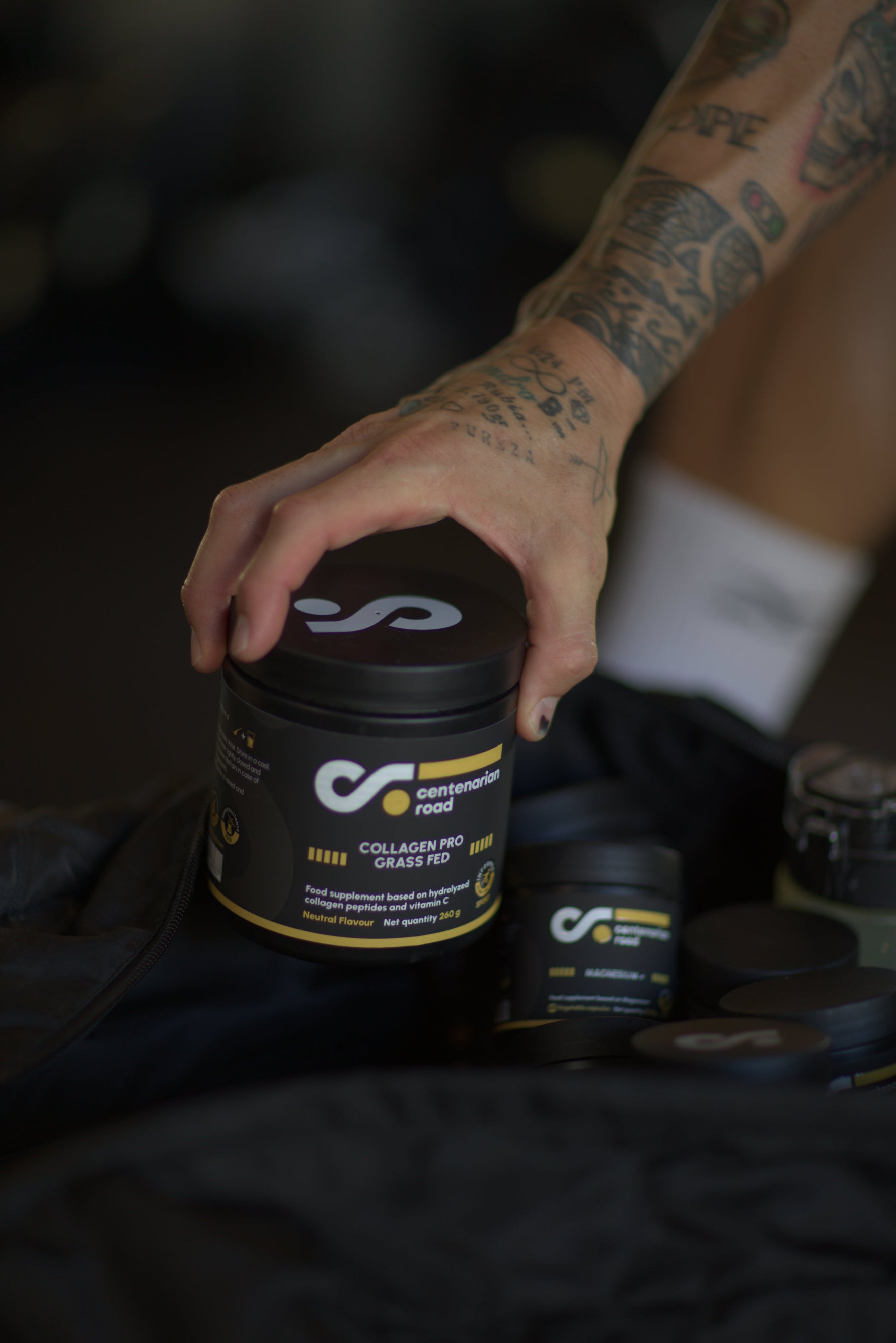
Collagen, especially if the goal also involves tendons, joints or connective tissue.
The key is choosing based on the problem. You do not need to take everything. You need the supplements that actually fit your routine.

How to Rebuild Muscle Mass Effectively
If you are wondering how to rebuild muscle mass, the first thing to understand is that muscle comes back through stimulus, protein and consistency. Supplements alone will not work if there is no progressive strength training.
To regain muscle mass, you need adapted exercise, enough daily protein, proper rest and a diet that is not too low in calories.
Protein to Maintain and Rebuild Muscle Mass
Protein contributes to the maintenance and growth of muscle mass. That is why it is often the base when the goal is to regain muscle after inactivity, a mild injury, weight loss or demanding training periods.
A whey protein can be useful if you struggle to reach your daily protein needs through food alone.
View Whey Protein by Centenarian Road
Creatine for Performance and Returning to Training
Creatine does not “cure” muscle recovery, but it can help improve performance in short, intense efforts. This can be useful when you are returning to strength training and want to progress gradually.
It can also fit well into routines for people who want to regain strength and muscle mass through a properly planned training program.
View Creatine Monohydrate by Centenarian Road
Magnesium for Muscle Function and Fatigue
Magnesium contributes to normal muscle function and helps reduce tiredness and fatigue. It can be interesting if you notice muscle tension, accumulated fatigue or difficulty recovering well after training.
It works best as support within a complete routine, not as a standalone solution.
View Magnesium Bisglycinate by Centenarian Road
Which Supplement Should You Choose?
If your main issue is that you are not reaching your daily protein intake, start with a high-quality whey protein. If you want to regain strength and performance, creatine can be a strong ally. If you feel fatigued, tense or poorly recovered, magnesium may be useful.
If there is strong pain, bruising, loss of strength, a sudden sharp sensation or a suspected muscle tear, do not rely only on supplements. In that case, stop, assess the area and speak with a professional.
For a complete recovery routine, you can combine Grass Fed Whey Protein as your protein base, Creatine Monohydrate Creapure® for performance and Magnesium + for muscle function and fatigue within the Centenarian Road ecosystem.

Frequently Asked Questions About Muscle Recovery
What Is the Best Supplement for Muscle Recovery?
The best supplement for muscle recovery is usually a high-quality protein if you are not reaching your daily intake. Creatine, magnesium or omega-3 may also help depending on the case, but always alongside rest, progressive training and hydration.
How Long Does It Take for a Muscle Tear to Heal?
It depends on the severity. A mild strain may improve in a few days or weeks, while a moderate or severe tear can require several weeks of recovery and rehabilitation. If there is strong pain, bruising or loss of strength, speak with a healthcare professional.
How Can You Regain Muscle?
To regain muscle, you need progressive strength training, enough daily protein, proper rest, quality sleep and adequate nutrition. Supplements can help, but they do not replace the training stimulus or a well-structured diet.
How Can You Rebuild Muscle Mass After an Injury?
To rebuild muscle mass after an injury, first respect the recovery phase and return to exercise gradually. Then combine adapted strength work, enough protein and professional guidance if the injury was significant.
What Should You Take for Muscle Overload?
For muscle overload, the main priorities are reducing intensity, resting, staying hydrated and returning to training gradually. Magnesium can support normal muscle function, but if pain continues or gets worse, it is better to seek professional advice.
Does Protein Help With Muscle Recovery?
Yes, protein helps because it contributes to the maintenance and growth of muscle mass. It is especially useful if you train strength, exercise frequently or do not reach your protein needs through your daily diet.