








Share
Collagen is commonly known for its skin health benefits, but its advantages go far beyond that. For athletes, collagen is a valuable supplement that supports the health of joints, muscles, and tendons. Whether you participate in endurance sports, weightlifting, or any physically demanding activity, collagen can play a crucial role in optimizing performance and speeding up recovery. This article delves into the science behind collagen’s impact on athletic performance, helping you understand how and why it should be incorporated into your training and recovery routine.
The Role of Collagen in Athletic Performance
Why Collagen Is Essential for Athletes
Collagen is a vital structural protein found in muscles, tendons, ligaments, and joints. It provides strength, elasticity, and support to connective tissues. For athletes, collagen can help maintain joint flexibility, reduce injury risk, and improve recovery. Collagen supplementation provides the necessary amino acids, such as proline, glycine, and hydroxyproline, to promote the repair and regeneration of damaged tissues.
Collagen’s Impact on Joint and Tendon Health
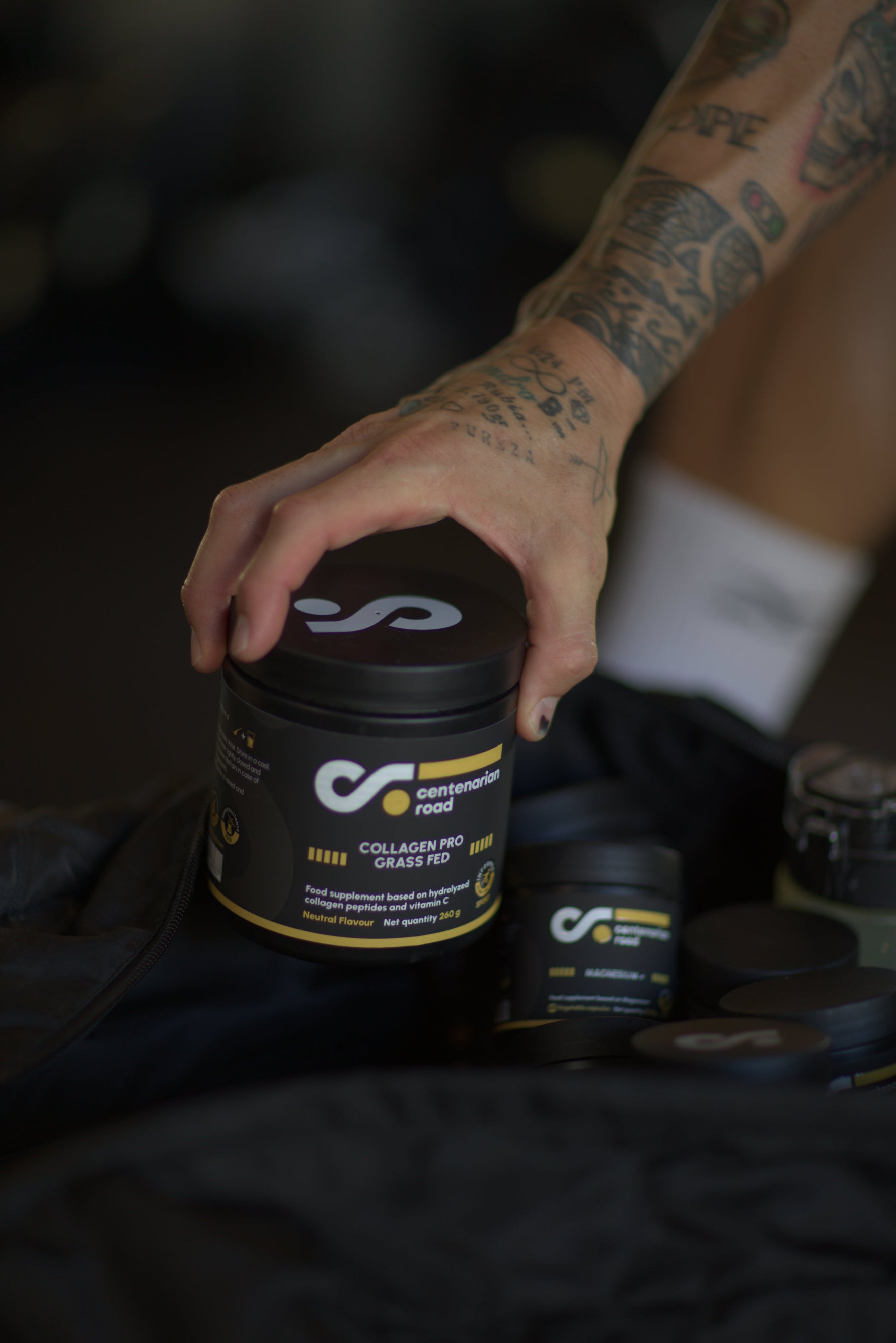
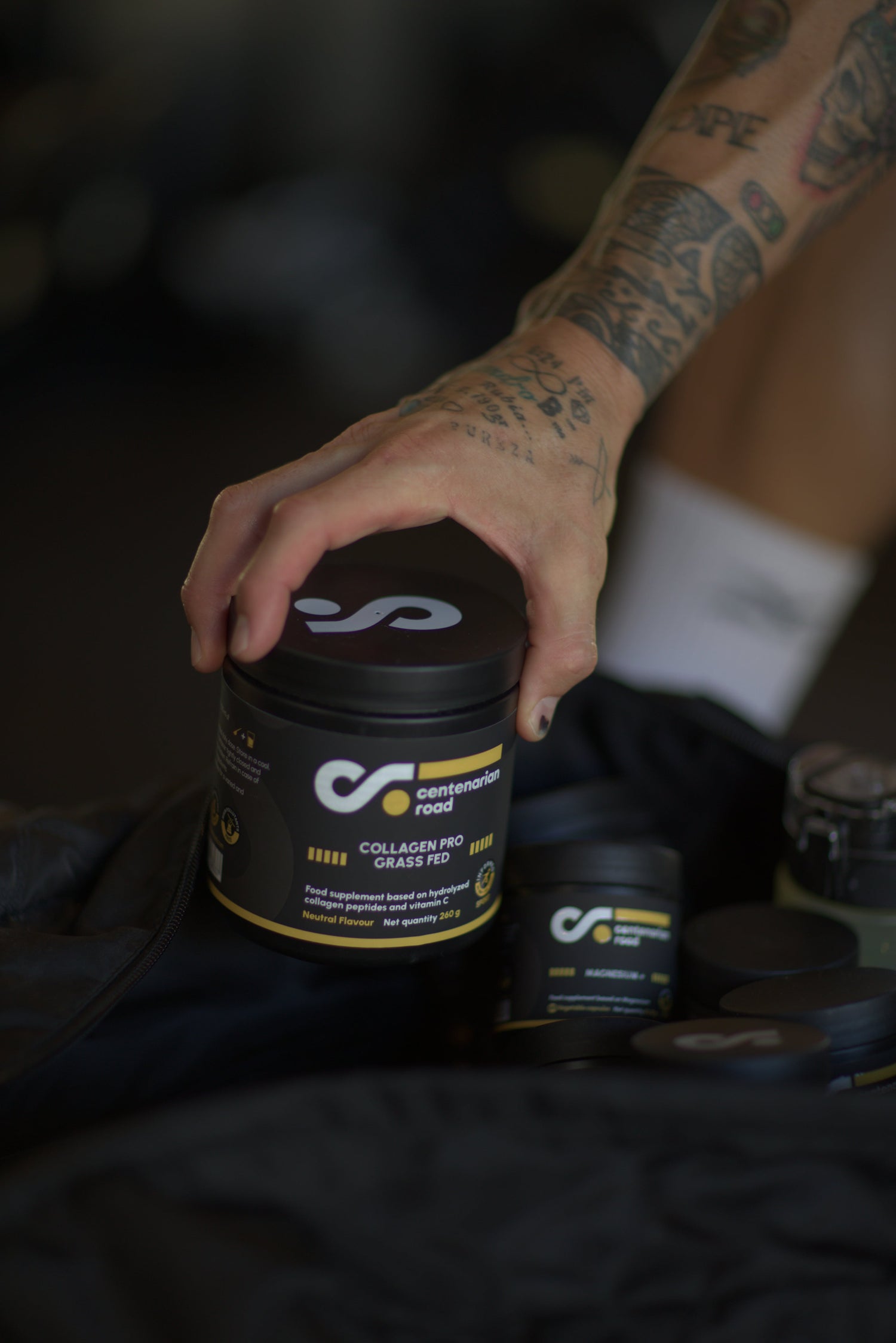
High-impact sports, such as running and weightlifting, put significant stress on joints and tendons. Collagen supplements, especially types like Collagen Pro Grass Fed, can support joint health by replenishing collagen levels in cartilage and reducing inflammation. This helps protect against joint discomfort and accelerates recovery, allowing athletes to train harder and longer without increased risk of injury.
Accelerating Recovery with Collagen
Collagen supplementation can significantly reduce recovery time after intense workouts. By supporting muscle tissue repair and reducing inflammation, collagen helps athletes recover faster. It is particularly beneficial when taken post-workout, as the body works to repair and rebuild muscles after physical exertion.
When to Take Collagen for Maximum Effectiveness
Best Time to Take Collagen for Athletes
For athletes, the timing of collagen intake is key. The best time to take collagen depends on your training schedule and specific goals:
-
Post-Workout: After an intense training session, collagen helps repair muscle tissues and supports joint recovery. Taking collagen after exercise can accelerate muscle recovery and reduce the inflammatory effects caused by physical stress.
-
Pre-Workout: Taking collagen before training can help support joint health and improve flexibility. By preparing the body with key collagen amino acids, athletes can reduce the risk of joint pain or injury during exercise.
-
Before Bed: Collagen also supports tissue repair during sleep. Taking collagen before bedtime allows the body to regenerate during deep rest, ensuring your muscles, joints, and tendons recover while you sleep.

How to Maximise the Benefits of Collagen for Athletes
Combining Collagen with Other Supplements for Optimal Results
To get the most out of collagen, consider combining it with other supplements that support athletic performance. Magnesium+, for example, enhances muscle function and reduces cramps, making it an excellent complement to collagen. Additionally, taking collagen with vitamin C, as in Collagen Pro Grass Fed, helps improve collagen synthesis, boosting overall effectiveness.
Choosing High-Quality Collagen Supplements
Not all collagen supplements are created equal. To maximise benefits, athletes should choose high-quality, scientifically backed products. Collagen Pro Grass Fed by Centenarian Road, for example, is formulated with Solugel® Technology, which enhances bioavailability, ensuring your body absorbs and utilises collagen effectively. Additionally, Centenarian Road’s Informed Sport certification guarantees that the products are contaminant-free, making them a safe choice for athletes.

Frequently Asked Questions About Collagen Supplements
Can collagen help with joint pain in athletes?
Yes, collagen can help relieve joint pain by supporting cartilage repair and promoting joint health. Studies show that athletes taking collagen experience improved joint mobility and less discomfort, making it a valuable supplement for those engaged in high-impact sports.
How much collagen should an athlete take per day?
For athletes, the recommended dose is typically 10–15 grams of collagen per day. However, the exact amount may vary depending on individual needs and the intensity of physical activity. Always follow the product guidelines for the best results.
Can collagen improve muscle recovery?
Yes, collagen accelerates muscle recovery by supporting the repair of muscle fibers and reducing inflammation. It provides essential amino acids that are crucial for muscle regeneration, helping athletes recover faster and enhance performance in subsequent workouts.
Is it safe for athletes to take collagen regularly?
Collagen is generally safe for daily use by athletes, as long as the product is high-quality and free from contaminants. It is an excellent supplement for supporting joints, tendons, and muscles, especially for athletes under high physical stress.
Centenarian Road Collagen Grass-Fed
Collagen supplementation offers a multitude of benefits for athletes, from improving performance and preventing injuries to accelerating recovery. Whether taken before, during, or after training, collagen can support joint and tendon health, reduce inflammation, and speed up muscle repair.
For those seeking the highest quality collagen, Collagen Pro Grass Fed by Centenarian Road is the perfect choice. With Solugel® Technology ensuring optimal absorption and Informed Sport certification guaranteeing contaminant-free quality, you get the highest standard of collagen supplementation available.
Take your athletic performance and recovery to the next level with Centenarian Road. Experience the power of premium, scientifically backed collagen and elevate your training to new heights.