








Determining the optimal collagen dosage is essential for achieving the desired health benefits while ensuring safety and cost-effectiveness. Clinical research provides clear guidelines for daily collagen intake based on specific health goals and individual factors. This comprehensive dosage guide is designed to help you maximize the results of your collagen supplementation.
Optimal Collagen Dosage Recommendations
Scientific studies establish evidence-based dosage ranges for different health goals, with most clinical trials using specific amounts that have been tested for effectiveness in controlled settings. Understanding these research-backed recommendations helps ensure you receive meaningful benefits without unnecessary overconsumption.
Daily Intake Guidelines for Different Health Goals
Skin health benefits may begin at relatively modest doses, with clinical studies demonstrating potential effectiveness at 2.5–5g daily. A notable study published in Skin Pharmacology and Physiology used 2.5g daily over 8 weeks, resulting in a 20% improvement in skin elasticity and a 65% increase in skin collagen content. For more pronounced anti-aging effects, dermatological research supports doses of 5–10g daily.
Joint health support requires a higher collagen intake, with orthopedic studies typically using 10–15g daily. Foundational research published in Current Medical Research and Opinion demonstrated significant joint pain reduction using 10g daily over 24 weeks in athletes. Individuals with existing arthritis may benefit from 15–20g daily, as shown in clinical trials involving osteoarthritis management.
Muscle recovery and athletic performance studies commonly employ doses of 15–20g daily, often consumed post-exercise for optimal protein synthesis support. Research published in the American Journal of Clinical Nutrition used 20g daily, showing 27% faster recovery times and reduced markers of exercise-induced muscle damage.
Timing and Frequency Considerations
Collagen absorption follows specific patterns that influence optimal timing strategies. Studies using isotope-labeled collagen peptides show that peak blood concentrations occur 1–2 hours post-consumption, with elevated levels maintained for 6–8 hours. This pharmacokinetic profile supports twice-daily dosing for sustained amino acid availability.
Morning consumption on an empty stomach may maximize absorption, with studies showing 15–20% greater bioavailability compared to consumption with meals. However, some individuals experience mild gastric discomfort, making post-meal consumption preferable despite slightly reduced absorption. Co-consumption with vitamin C (minimum 60mg) may enhance collagen utilization regardless of timing.
Split-dose strategies prove particularly effective for higher daily amounts. Rather than consuming 20g at once, dividing intake into 10g in the morning and 10g in the afternoon may help maintain more consistent plasma amino acid levels. This approach supports continuous collagen synthesis throughout the day while improving gastrointestinal tolerance.
Factors Affecting Individual Dosage Needs
Age significantly influences optimal collagen dosage requirements. Individuals under 30 with healthy collagen production may achieve benefits with 2.5–5g daily, while those over 50 typically require 10–15g daily to help compensate for the natural decline in production. Research indicates that collagen synthesis decreases by approximately 1.5% annually after the age of 25.
Body weight correlations appear in some studies, with larger individuals potentially requiring higher doses to achieve equivalent tissue concentrations. Preliminary research suggests 0.15–0.25g per kilogram of body weight as a general guideline, though this requires further validation in controlled trials. Current recommendations prioritize health goals over weight-based calculations.
Lifestyle factors substantially impact dosage needs. Smokers may require 25–40% higher doses due to accelerated collagen degradation, while individuals consuming high-sugar diets may need increased amounts to help counteract glycation-induced collagen damage. Regular intense exercise increases collagen turnover, potentially requiring 15–25% greater daily intake for optimal recovery support.
Safety Guidelines and Maximum Limits
Collagen supplementation demonstrates an excellent safety profile across various dosage ranges, with extensive clinical data supporting long-term use. However, understanding safety parameters and potential interactions helps ensure responsible supplementation practices.
Safe Upper Limits and Tolerance Levels
Clinical studies have safely used collagen doses of up to 40g daily without adverse effects, establishing a wide safety margin for typical supplementation ranges. The European Food Safety Authority (EFSA) has not established an upper limit for collagen intake, indicating low toxicity potential. Most adverse events in clinical trials involve mild gastrointestinal symptoms at doses exceeding 20g daily.
Long-term safety data spanning up to 3 years show no accumulation of adverse effects with consistent collagen use. Liver and kidney function markers remain stable across all studied dosage ranges, confirming that healthy individuals can safely metabolize substantial amounts of collagen. These findings support the use of therapeutic doses without concern for organ toxicity.
Individual tolerance varies, with most people comfortably consuming 10–15g daily without side effects. Starting with 5g daily and gradually increasing allows for personal tolerance assessment while minimizing potential digestive discomfort. This titration approach proves particularly valuable for individuals with sensitive digestive systems.
Potential Side Effects and Contraindications
Gastrointestinal effects represent the most common side effects, typically occurring at doses above 20g daily. These may include mild nausea, bloating, or loose stools, usually resolving within 1–2 weeks as digestive adaptation occurs. Consuming collagen with meals or temporarily reducing the dose can help minimize these effects while maintaining the benefits of supplementation.
Allergic reactions remain rare but possible, particularly with marine collagen sources in individuals with shellfish allergies. Bovine collagen generally presents lower allergenic potential, although individuals with meat allergies should exercise caution. Symptoms typically include skin reactions or digestive discomfort, resolving promptly upon discontinuation.
Drug interactions are minimal with collagen supplementation, although individuals on anticoagulant medications should consult a healthcare provider before starting high-dose regimens. The amino acid profile of collagen may theoretically affect medication absorption timing, suggesting that collagen and medication administration be separated by 2–3 hours where possible.
Considerations for Special Populations
Pregnant and breastfeeding women should consult a healthcare provider before starting collagen supplementation, although no safety concerns have been identified in available research. Many prenatal vitamins include collagen precursors, suggesting general safety, but individual medical consultation ensures appropriate use during this sensitive period.
Children and adolescents typically produce adequate collagen naturally, making supplementation unnecessary unless addressing specific medical conditions. If recommended by a pediatric healthcare provider, doses should be proportionally reduced based on body weight and monitored by a medical professional.
Older adults often stand to benefit most from collagen supplementation but may require dosage adjustments based on kidney function and potential medication interactions. Starting with lower doses (5–7.5g daily) and monitoring the response allows for safe optimization of benefits while minimizing potential complications in this population.

Frequently Asked Questions
Is it better to take collagen all at once or split it throughout the day?
Clinical studies show benefits with both approaches. Single doses work well for amounts under 10g, while splitting doses above 15g daily may improve absorption and reduce gastrointestinal side effects. Choose based on your personal tolerance and convenience.
Can I take too much collagen?
While collagen has an excellent safety profile, doses above 40g daily have not been extensively studied. Most people achieve optimal benefits with 10–20g daily. Excessive consumption may cause digestive discomfort without providing additional benefits.
How long should I take collagen before seeing results?
Skin improvements may begin to appear within 4–8 weeks, while joint benefits can take 8–12 weeks. Consistent daily use is more important than high doses for achieving long-term results.
Should I cycle collagen supplementation or take it continuously?
Research supports continuous use without cycling. Long-term studies show sustained benefits with consistent supplementation, while intermittent use may reduce the cumulative effects on tissue health.
Does collagen dosage need to increase with age?
Generally yes, as natural collagen production declines with age. Individuals over 50 typically benefit from doses 25–50% higher compared to younger adults in order to achieve similar tissue concentrations and benefits.
Ready to experience the difference that science-backed, precise collagen dosing can make?
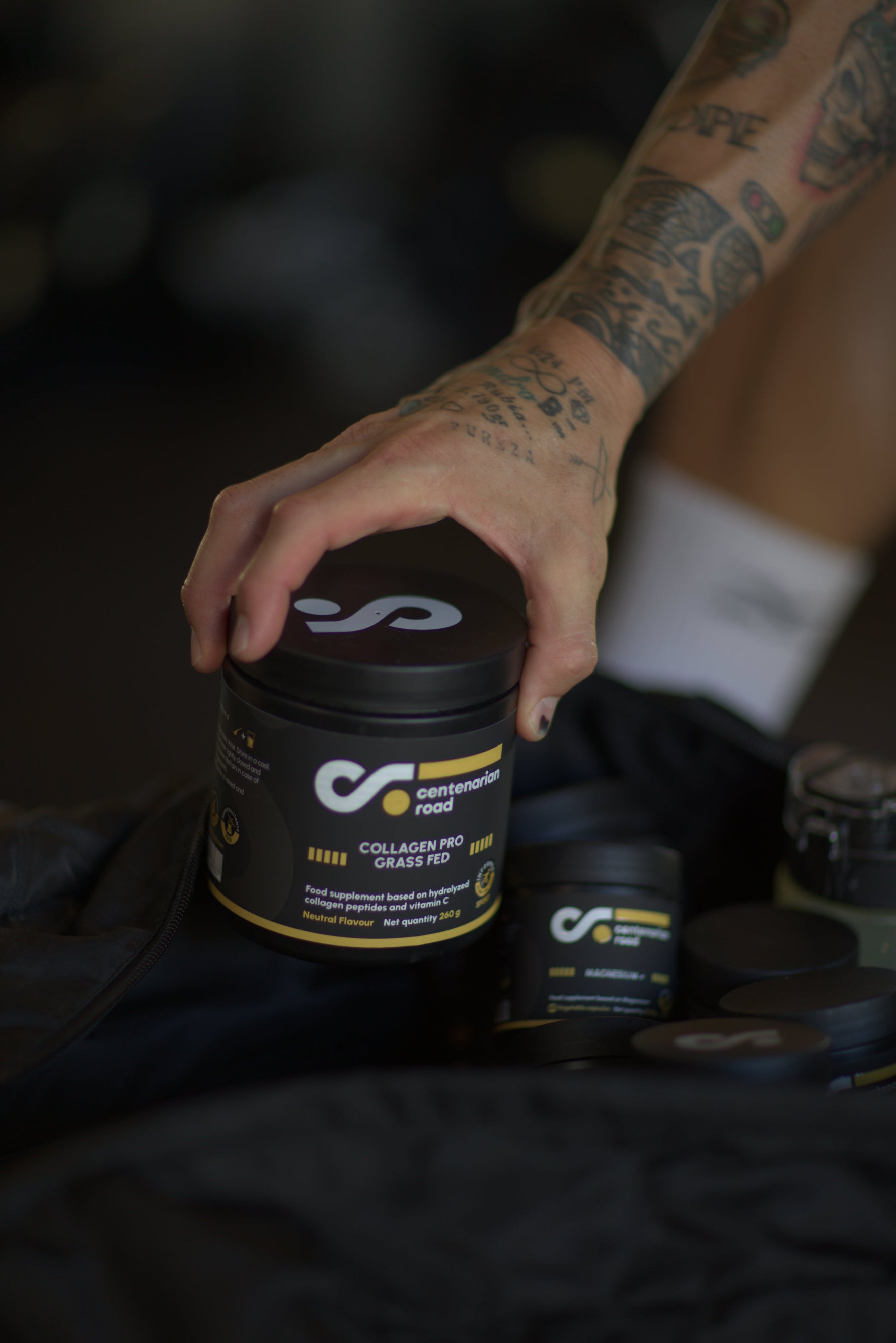
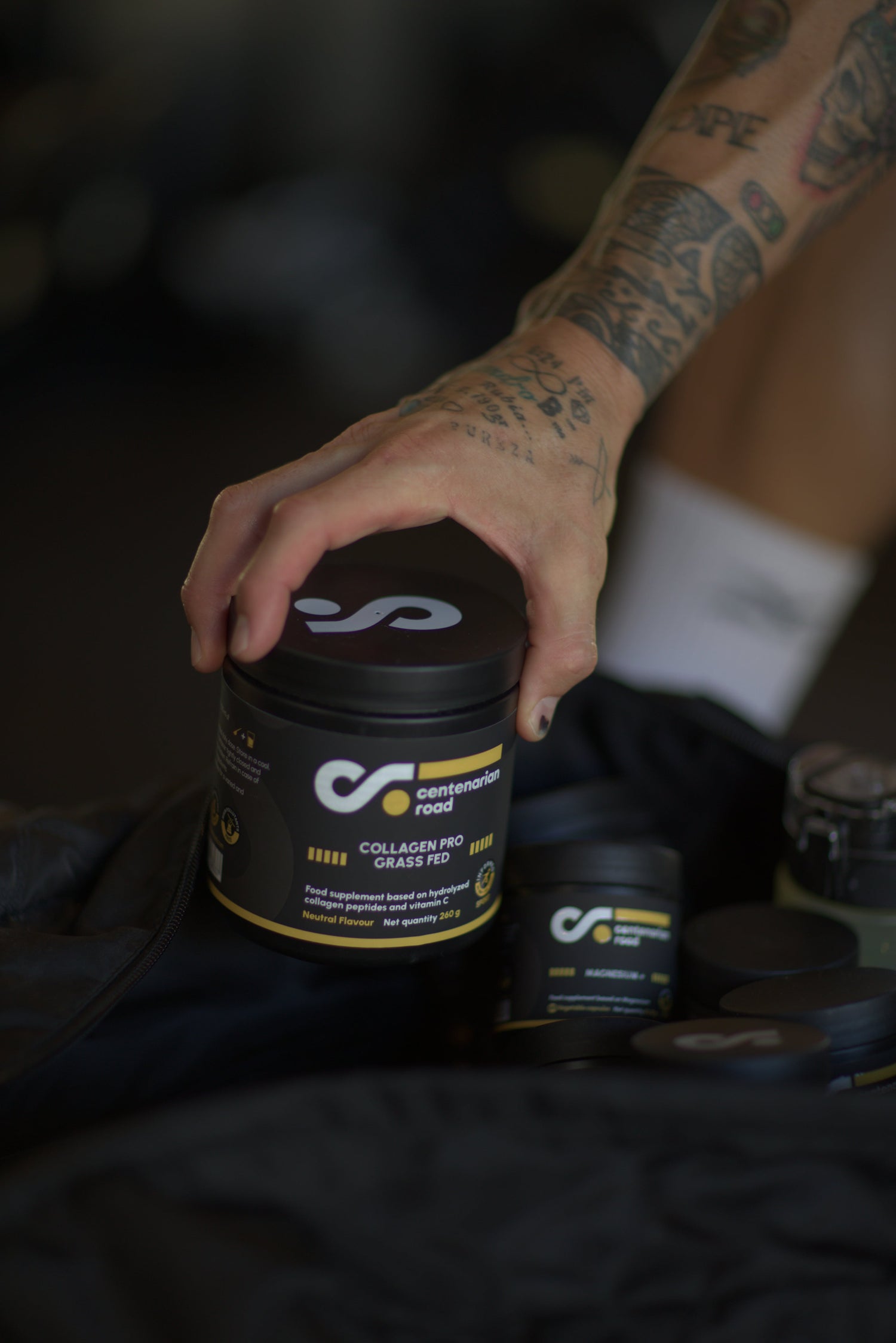
Centenarian Road's COLLAGEN PRO GRASS FED takes the guesswork out of optimal collagen supplementation. Each serving delivers exactly 10g of premium grass-fed collagen — the clinically studied dose associated with comprehensive health benefits. With advanced Solugel® technology ensuring maximum bioavailability and Informed Sport certification guaranteeing purity, you get precisely what clinical research recommends.
Don't leave your wellness to chance with inferior collagen products or dosage guesswork. Trust Centenarian Road's commitment to "Science in every supplement" and experience the confidence that comes with pharmaceutical-grade precision. Your body deserves the exact dose that science supports — get it with COLLAGEN PRO GRASS FED today.